


Blog
What Is Smokeless Powder? Complete Guide to Types, Burn Rate, and How It Works

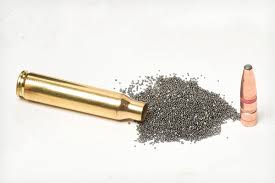
Modern firearms rely on a highly refined propellant known as smokeless powder. This chemical compound revolutionized firearms technology by replacing traditional black powder and enabling cleaner combustion, higher velocities, and improved ballistic performance.
Today, smokeless powder is the standard propellant used in nearly all modern ammunition, from pistols and rifles to shotgun cartridges.
Understanding how smokeless powder works is essential for anyone interested in:
- ammunition reloading
- shooting sports
- firearms technology
- ballistic science
In this guide we will cover:
- What smokeless powder is
- How it works in ammunition
- The main types of smokeless powders
- Burn rate explained
- Powder shapes and their performance
- Safety fundamentals
What Is Smokeless Powder?
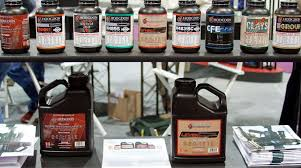
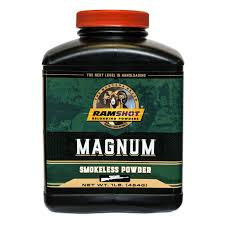
Smokeless powder is a modern chemical propellant used to propel bullets through a firearm barrel by producing expanding gases during combustion.
Unlike traditional black powder, smokeless powder burns much cleaner and produces significantly less smoke.
Key Characteristics
- High energy density
- Clean burning
- Minimal smoke production
- Controlled burn rate
- Consistent ballistic performance
Because of these advantages, smokeless powder has become the primary propellant used in modern ammunition worldwide.
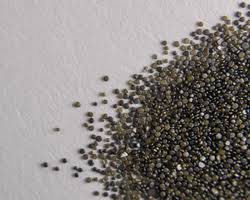
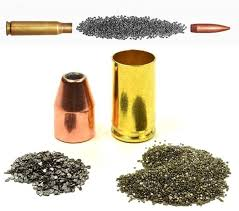
Image: Smokeless Powder Granules
Recommended SEO image placement.
Image file name:
Alt text:
Suggested image showing:
- ball powder
- flake powder
- extruded powder
History of Smokeless Powder
Before smokeless powder was developed, firearms relied on black powder, a mixture of:
- charcoal
- sulfur
- potassium nitrate
Black powder had several disadvantages:
- produced large clouds of smoke
- fouled barrels quickly
- limited achievable velocity
- inconsistent pressure curves
In the late 19th century, chemists developed nitrocellulose‑based propellants, which eventually became smokeless powder.
This innovation dramatically improved firearm performance and reliability.
How Smokeless Powder Works
The firing process of a cartridge involves several precise steps.
Step‑by‑Step Firing Process
Step 1 – Primer Ignition
The firing pin strikes the primer located at the base of the cartridge.
The primer ignites and creates a small flame.
Step 2 – Powder Combustion
The primer flame ignites the smokeless powder inside the cartridge case.
The powder begins rapid combustion.
Step 3 – Gas Expansion
Burning powder generates expanding gases.
These gases create pressure inside the cartridge.
Step 4 – Bullet Acceleration
The pressure pushes the bullet down the barrel at high speed.
Once the bullet exits the barrel, the pressure dissipates.
Pressure Curve Graph
Understanding the pressure curve helps explain why burn rate matters.
The curve shows:
- pressure rises rapidly after ignition
- pressure peaks inside the barrel
- pressure drops after the bullet exits
Types of Smokeless Powder
Smokeless powders are categorized based on their chemical composition.
Comparison Chart
| Powder Type | Main Ingredients | Energy Output | Common Use |
|---|---|---|---|
| Single Base | Nitrocellulose | Moderate | Rifle cartridges |
| Double Base | Nitrocellulose + Nitroglycerin | Higher | Pistol & shotgun |
| Triple Base | Nitrocellulose + Nitroglycerin + Nitroguanidine | Specialized | Military applications |
Single Base Powder
Single base powders contain nitrocellulose as the primary energetic compound.
Advantages
- stable burn rate
- lower flame temperature
- predictable pressure curves
These powders are commonly used in precision rifle cartridges.
Double Base Powder
Double base powders contain:
- nitrocellulose
- nitroglycerin
Adding nitroglycerin increases the energy content of the powder.
Benefits
- higher velocity potential
- efficient performance in smaller cartridges
- widely used in pistol ammunition
Triple Base Powder
Triple base powders include an additional component:
- nitroguanidine
These powders are used mainly in military ammunition to reduce muzzle flash and barrel wear.
Powder Shape Comparison
Smokeless powders are manufactured in different shapes to control burn characteristics.
| Powder Shape | Appearance | Typical Use |
|---|---|---|
| Ball Powder | Small spherical grains | Factory ammunition |
| Flake Powder | Flat discs | Shotgun and handgun loads |
| Extruded Powder | Cylindrical sticks | Rifle cartridges |
Image Section: Powder Shapes
Recommended image placement.
Image file name:
Alt text:
This visual helps readers understand powder structure differences.
Burn Rate Explained
Burn rate describes how quickly smokeless powder burns after ignition.
Different cartridges require different burn speeds.
Simplified Burn Rate Chart
Fast powders generate pressure quickly, while slow powders maintain pressure longer.
Selecting the correct burn rate ensures safe and consistent performance.
Why Smokeless Powder Replaced Black Powder
Smokeless powder offers several major advantages.
| Feature | Smokeless Powder | Black Powder |
|---|---|---|
| Smoke Production | Low | Very high |
| Energy Density | High | Low |
| Barrel Fouling | Minimal | Heavy |
| Velocity Potential | High | Limited |
These improvements made smokeless powder the preferred propellant for modern firearms.
Safety Guidelines for Smokeless Powder
Proper handling is critical when working with smokeless powder.
Safety Checklist
- store powder in a cool dry environment
- keep powder away from heat sources
- never mix different powder types
- follow published reloading data
- keep powder in original containers
Reloaders should always prioritize safety and proper storage practices.
Frequently Asked Questions
Is smokeless powder the same as gunpowder?
Smokeless powder is a modern propellant, while traditional gunpowder refers to black powder.
Why does smokeless powder produce less smoke?
The chemical composition burns more completely, producing fewer solid particles.
Can smokeless powder explode?
Under normal conditions smokeless powder burns rapidly rather than detonating.
Why are burn rates important?
Burn rate determines how pressure builds inside the cartridge and affects bullet velocity.
Conclusion
Smokeless powder is one of the most important innovations in modern firearms technology.
Its clean combustion, high energy output, and controlled burn rates allow firearms to achieve the performance standards expected today.
For reloaders and shooting enthusiasts, understanding the types and characteristics of smokeless powder is essential for safe and effective ammunition performance.