

Blog
Temperature Sensitivity in Smokeless Powder: Why Loads Change in Cold Weather

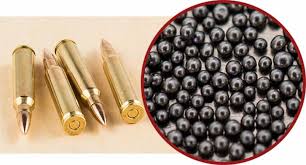
Temperature sensitivity is one of the most discussed topics in the reloading community. Shooters often notice that ammunition performs differently when temperatures change.
Common observations include:
- lower velocity in cold weather
- higher pressure in hot conditions
- changes in accuracy
- different point of impact
These changes occur because smokeless powder combustion is influenced by temperature.
Understanding how temperature affects powder performance is important for reloaders, hunters, and long-range shooters who want consistent results across different environments.
What Is Temperature Sensitivity in Smokeless Powder?
Temperature sensitivity refers to how much powder performance changes when environmental temperature changes.
Powder performance can vary in several ways:
| Performance Factor | Temperature Impact |
|---|---|
| Burn Rate | Can increase or decrease |
| Pressure | Often rises in hot weather |
| Velocity | Usually drops in cold temperatures |
| Ignition | May become slower in extreme cold |
These variations occur because temperature affects chemical reaction speed and powder ignition characteristics.
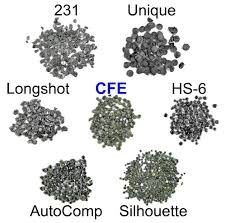
Why Powder Performance Changes With Temperature
Powder combustion relies on chemical reactions.
Temperature influences how quickly those reactions occur.
Key effects of temperature
- heat increases chemical reaction speed
- cold slows combustion
- extreme heat increases pressure
Because of these factors, the same ammunition load may behave differently depending on the temperature.
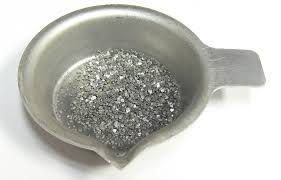
Temperature vs Powder Performance Chart
Powder Performance vs TemperatureVelocity
HIGH
│         /
│        /
│       /
│      /
│_____/____________
COLD        HOT
As temperature increases, powder combustion typically becomes more energetic.
Common High-Volume Search Question:
Does Cold Weather Reduce Bullet Velocity?
Yes, cold temperatures often reduce velocity.
Several reasons explain this effect:
- slower powder combustion
- reduced pressure buildup
- colder air density affecting external ballistics
Reloaders often report velocity drops ranging from 20 to 150 feet per second depending on powder type.

Why Hot Weather Can Increase Pressure
Hot temperatures can cause powders to burn faster.
When powder burns faster:
- pressure increases more quickly
- peak chamber pressure rises
- velocity may increase
In extreme heat, this effect can push loads closer to maximum pressure limits.
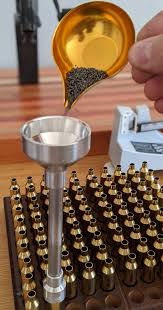
Comparison Table: Cold vs Hot Weather Powder Behavior
| Temperature Condition | Powder Behavior |
|---|---|
| Very Cold | Slower ignition |
| Cold | Reduced velocity |
| Moderate | Stable performance |
| Warm | Slight velocity increase |
| Hot | Increased pressure potential |
Because of these differences, temperature sensitivity is an important factor in load development.
Powder Types and Temperature Stability
Different powder formulations respond differently to temperature changes.
Some powders are designed specifically to maintain consistent performance across temperature ranges.
Powder Stability Comparison
| Powder Type | Temperature Stability |
|---|---|
| Older double-base powders | Moderate sensitivity |
| Ball powders | Moderate sensitivity |
| Modern extruded powders | Improved stability |
| Temperature-stable powders | Very consistent |
Many modern powders are engineered to reduce temperature effects.
Powder Grain Shape and Temperature Effects
Powder grain design influences burn characteristics.
| Grain Shape | Temperature Behavior |
|---|---|
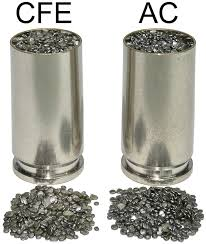
| Ball powder | Can be more temperature sensitive |
| Flake powder | Moderate sensitivity |
| Extruded powder | Often more stable |
The shape controls how the powder burns and how surface area changes during combustion.

Internal Ballistics and Temperature
Temperature affects the internal ballistics cycle, which occurs inside the firearm during firing.
Stages include:
1 primer ignition
2 powder combustion
3 pressure buildup
4 bullet acceleration
5 bullet exit
Temperature changes can affect each stage.

Internal Ballistics Diagram
Primer Ignition
      ↓
Powder Combustion
      ↓
Pressure Development
      ↓
Bullet Acceleration
      ↓
Bullet Leaves Barrel
Powder temperature can influence how quickly these stages occur.
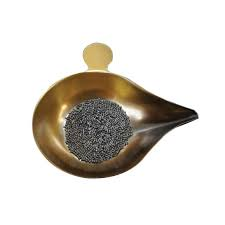
Why Hunters Care About Temperature Sensitivity
Hunters often shoot in environments with large temperature differences.
For example:
| Environment | Temperature Range |
|---|---|
| Summer range practice | 30°C |
| Winter hunting | -10°C |
This difference can significantly affect ammunition performance.
Example Temperature Scenario
A shooter develops a load during summer at 30°C.
During winter at 0°C, that same load may produce:
- lower velocity
- different trajectory
- altered point of impact
This is why many shooters test loads across multiple temperature conditions.
Step-by-Step Guide: Testing Temperature Stability
Many experienced reloaders test their loads for temperature sensitivity.
Step 1 – Develop the Load
Start with a safe load developed under moderate conditions.
Step 2 – Test in Different Temperatures
Test the ammunition in:
- cold weather
- moderate weather
- hot conditions
Step 3 – Record Velocity
Using a chronograph, measure velocity changes between conditions.
Step 4 – Compare Results
Look for consistent velocity and accuracy across temperature ranges.
Velocity Variation Chart
Temperature vs VelocityVelocity
HIGH
│       *
│     *   *
│   *       *
│ *           *
└────────────────
COLD   MILD   HOT
This chart illustrates how some loads produce different velocities depending on temperature.
High-Volume Forum Topic: Why Some Powders Are Temperature Stable
Some powder manufacturers design propellants with temperature stabilizing additives.
These additives help reduce the effect of temperature changes on combustion speed.
Benefits include:
- consistent velocity
- stable pressure curves
- predictable ballistic performance
Temperature-stable powders are particularly popular among long-range precision shooters.
Environmental Factors That Affect Powder Performance
Temperature is not the only factor affecting powder behavior.
Other environmental conditions also play a role.
| Factor | Effect |
|---|---|
| Humidity | Can affect ignition characteristics |
| Altitude | Changes air density |
| Barrel temperature | Influences combustion efficiency |
| Cartridge temperature | Affects powder burn rate |
These variables interact with powder temperature to influence performance.
Cold Weather Reloading Tips
Reloading communities frequently share advice for cold weather shooting.
Tip 1 – Test Loads in Cold Weather
Loads developed in warm weather should be verified in cold conditions.
Tip 2 – Keep Ammunition Temperature Consistent
Large temperature swings between storage and firing can affect performance.
Tip 3 – Use Powders Known for Stability
Some powders are designed to minimize temperature sensitivity.
Tip 4 – Monitor Velocity Changes
A chronograph helps detect changes in velocity caused by temperature differences.
Why Long-Range Shooters Care About Temperature Stability
Precision shooters must account for even small velocity changes.
Example:
| Velocity Change | Long Range Effect |
|---|---|
| 25 fps | minor impact |
| 50 fps | noticeable drop |
| 100 fps | significant trajectory change |
At extreme distances, small velocity differences can cause measurable changes in bullet drop.
Temperature Effects on External Ballistics
Temperature also affects the bullet after it leaves the barrel.
Cold air is denser than warm air, which increases drag on the bullet.
This can lead to:
- slightly shorter range
- increased bullet drop
- minor trajectory changes
FAQ Section (Trending Searches)
Does cold weather affect powder burn rate?
Yes. Cold temperatures can slow combustion and reduce velocity.
Do hotter temperatures increase pressure?
Yes. Higher temperatures can increase powder burn speed and chamber pressure.
Are some powders designed to resist temperature changes?
Yes. Some modern powders are engineered for improved temperature stability.
Why do reloaders test ammunition in different temperatures?
Testing helps ensure consistent performance in real-world conditions.
Final Thoughts
Temperature sensitivity is an important factor in smokeless powder performance. Changes in temperature can influence:
- burn rate
- chamber pressure
- velocity
- accuracy
Cold weather often slows powder combustion, reducing velocity, while hot temperatures can increase pressure.
Understanding these effects allows shooters to develop ammunition loads that perform consistently across different environments.
For reloaders and precision shooters, testing loads under various temperature conditions helps ensure predictable and reliable performance.