

Blog
Smokeless Powder and Primers Explained: Trending Questions Reloaders Ask Online

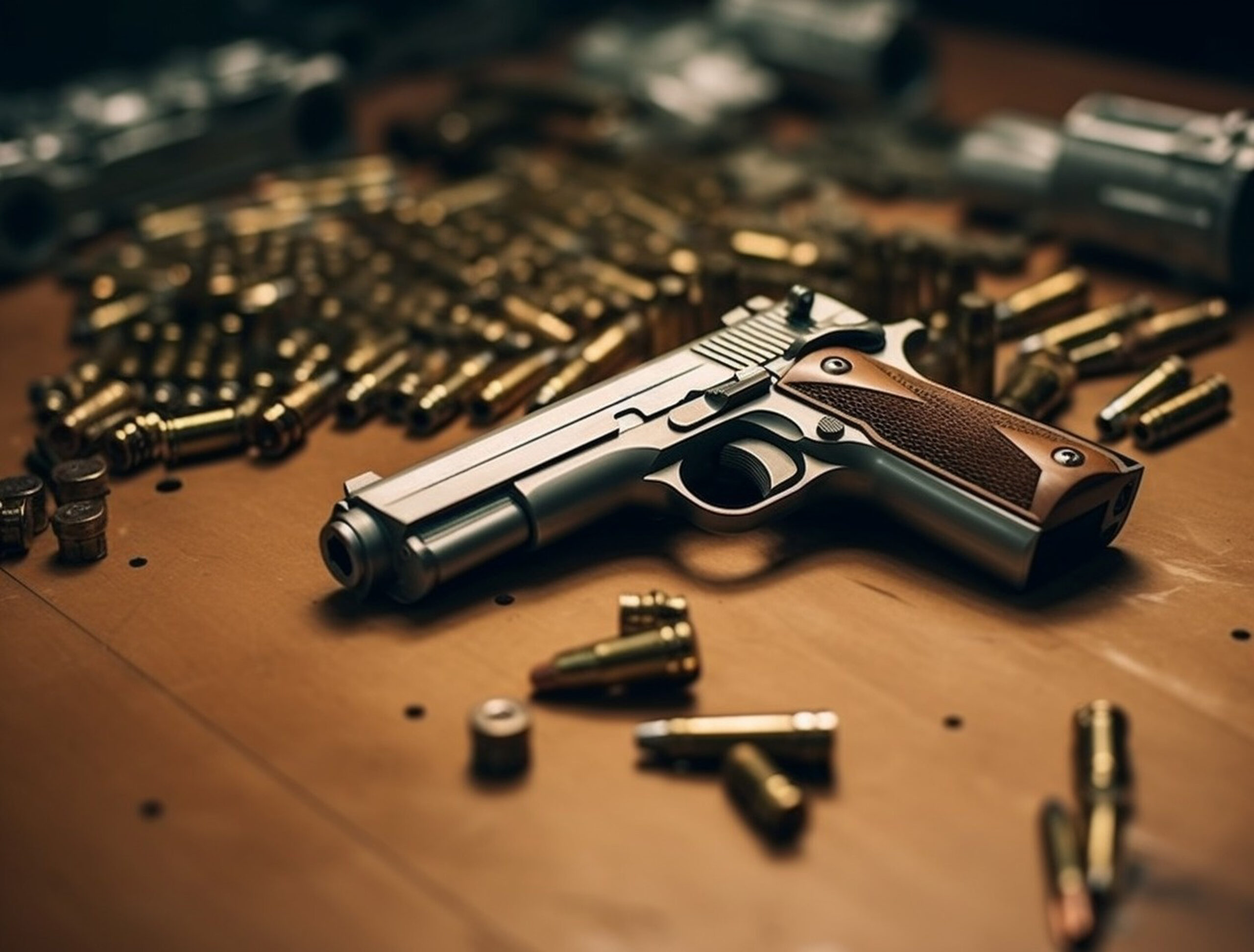
Interest in ammunition reloading has grown rapidly in recent years as more shooters, hunters, and enthusiasts look to understand the science behind cartridges. A large portion of the curiosity centers around two critical components: smokeless powder and primers.
Across forums and platforms like Quora, many beginners and intermediate reloaders ask similar questions about how these components work, why different powders exist, and what role primers play in the ignition process.
This guide answers some of the most searched educational questions online, focusing purely on informational and technical understanding. If you’re new to reloading or simply curious about how ammunition functions, this article will help clarify the fundamentals.
Understanding the Basics of Smokeless Powder
What Is Smokeless Powder?
Smokeless powder is a modern propellant used in ammunition that burns rapidly to generate expanding gases. These gases create pressure inside the cartridge case, pushing the bullet through the barrel of a firearm.
Unlike the traditional black powder used centuries ago, smokeless powder produces far less visible smoke and leaves less residue in firearm barrels. This is why it became the standard propellant in modern ammunition during the late 19th century.
Key Characteristics of Smokeless Powder
Smokeless powders are engineered to provide:
- Controlled burn rates
- Consistent energy output
- Reliable ignition
- Reduced fouling inside barrels
These properties make modern cartridges more reliable and accurate compared to earlier propellant technologies.
Why Are There So Many Types of Smokeless Powder?
One of the most common questions asked online is:
“Why are there so many different smokeless powders?”
The answer lies in burn rate and application.
Different firearms and cartridge sizes require propellants that burn at different speeds. Engineers design powders to match the pressure and velocity requirements of specific cartridges.
For example:
- Fast‑burning powders are commonly used in handgun cartridges.
- Medium burn rate powders are often used in shotgun and some rifle loads.
- Slow‑burning powders are typically used in large rifle cartridges.
By adjusting the burn rate, ammunition designers can achieve optimal performance and pressure levels.
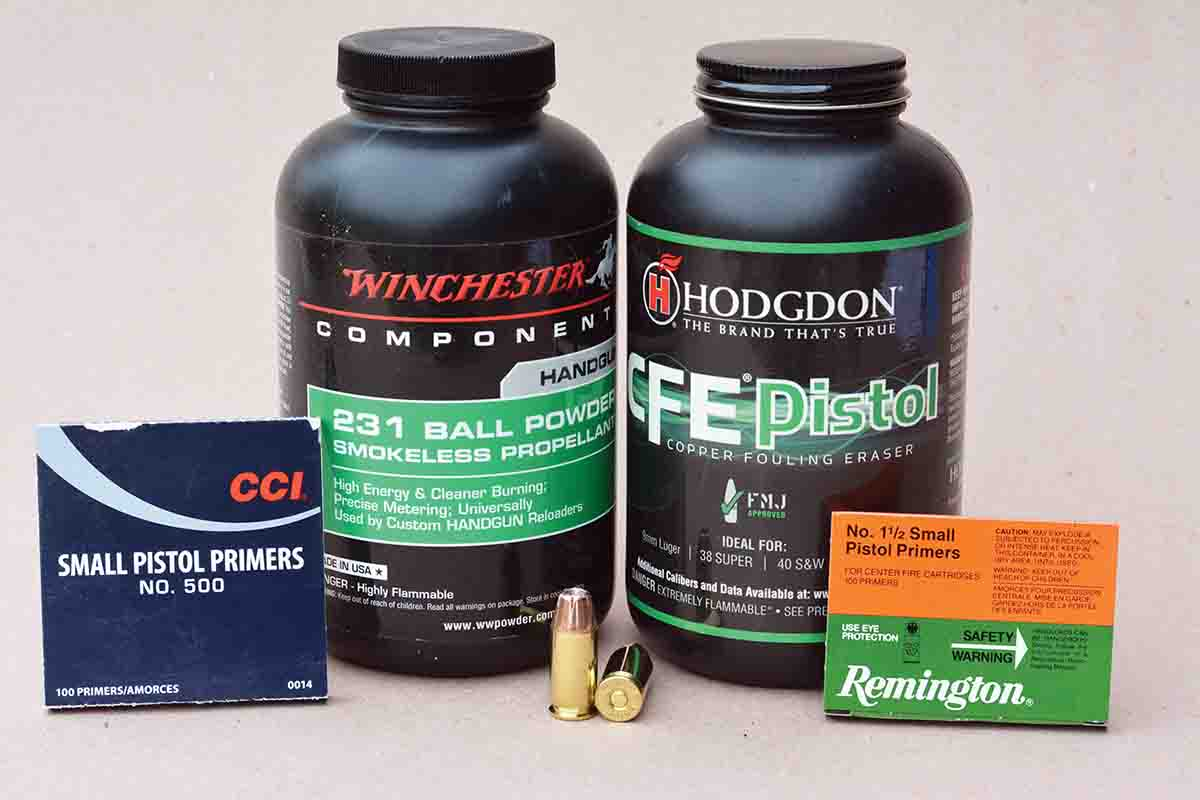
How Smokeless Powder Burns Inside a Cartridge
A frequent educational question online is:
“Does smokeless powder explode or burn?”
Technically, smokeless powder burns rather than explodes when used properly in ammunition.
The burning process is called deflagration, which means the powder burns rapidly while producing expanding gases. These gases build pressure in the cartridge case, forcing the projectile down the barrel.
This controlled burning process is what allows modern ammunition to function safely and consistently.
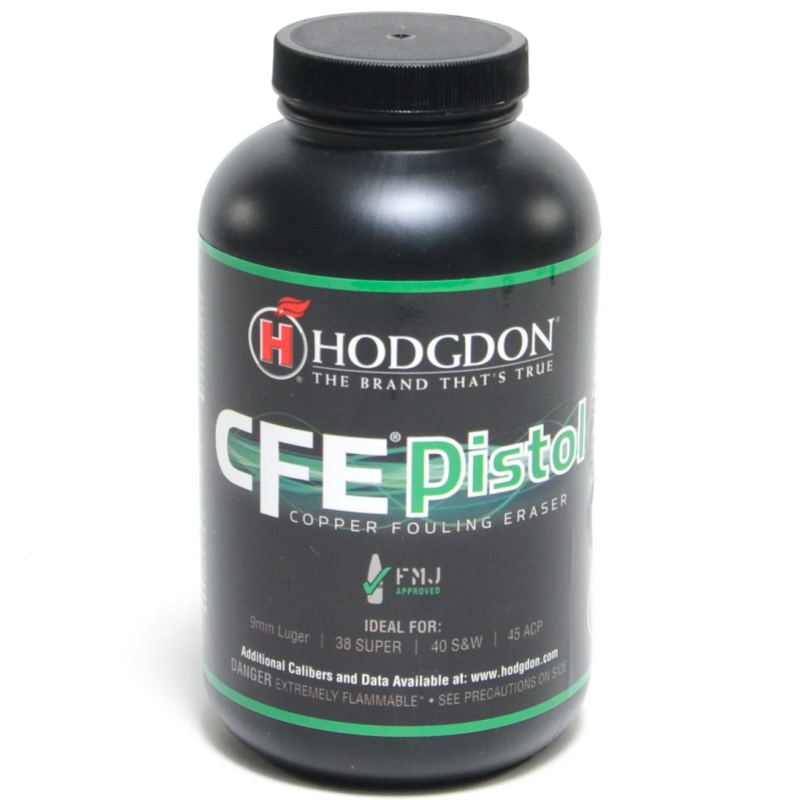
Types of Smokeless Powder
Another trending question often asked by beginners is:
“What are the different types of smokeless powder?”
Smokeless powder generally falls into three main categories.
Single‑Base Powder
Single‑base powders are made primarily from nitrocellulose.
Characteristics include:
- Stable burn characteristics
- Predictable performance
- Common use in many rifle cartridges
Double‑Base Powder
Double‑base powders contain:
- Nitrocellulose
- Nitroglycerin
These powders often produce higher energy output and may be used in applications requiring increased velocity.
Triple‑Base Powder
Triple‑base powders include additional energetic compounds and are typically used in specialized military applications.
What Is Burn Rate and Why Does It Matter?
Burn rate is one of the most important characteristics of smokeless powder.
Burn Rate Explained
Burn rate refers to how quickly a powder converts from solid grains into expanding gas during ignition.
Powders are categorized from fast to slow burn rate, and this determines how they perform in different cartridges.
Fast Burn Rate
Fast powders ignite quickly and build pressure rapidly. They are commonly associated with:
- Handgun cartridges
- Some shotgun loads
Medium Burn Rate
Medium powders provide a balanced pressure curve and are commonly used in:
- Shotgun shells
- Some intermediate rifle cartridges
Slow Burn Rate
Slow powders burn gradually and maintain pressure longer, making them suitable for:
- High‑velocity rifle cartridges
- Large case capacity rounds
Understanding burn rate helps explain why different cartridges require different propellants.
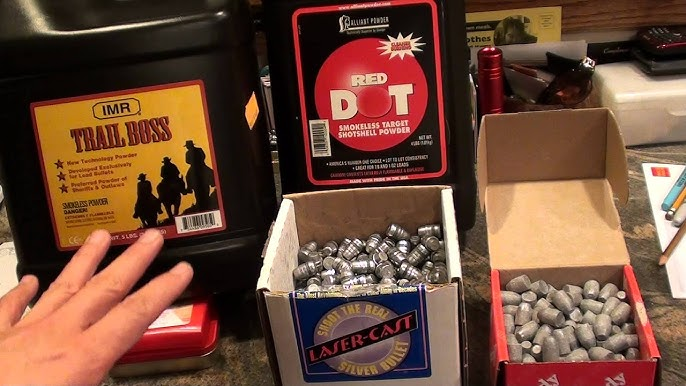
What Role Do Primers Play in Ammunition?
Another question frequently asked online is:
“What exactly does a primer do?”
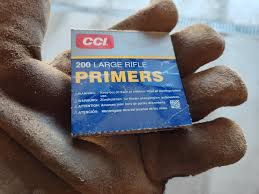
A primer is a small ignition component located at the base of a cartridge.
When a firearm’s firing pin strikes the primer, it crushes a sensitive compound inside the primer cup. This impact generates a small but powerful spark.
That spark ignites the smokeless powder inside the cartridge case.
Without the primer, the powder would not ignite.
Types of Ammunition Primers
There are several common primer categories used in modern cartridges.
Small vs Large Primers
Primers are often categorized by size:
- Small primers
- Large primers
These sizes correspond to the dimensions of the primer pocket in a cartridge case.
Rifle vs Pistol Primers
Primers are also classified by firearm type.
Pistol Primers
Designed for handgun cartridges, pistol primers typically generate a spark suitable for the smaller powder charges used in handgun ammunition.
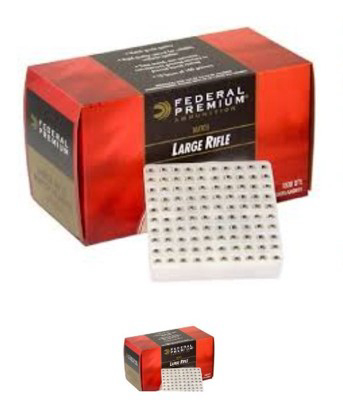
Rifle Primers
Rifle primers produce a stronger ignition flame, which helps ignite the larger powder charges commonly found in rifle cartridges.
Why Primer Consistency Matters
Primer consistency plays an important role in reliable ignition and uniform performance.
If primer ignition varies from shot to shot, it can influence how consistently the powder burns.
Consistent ignition helps maintain:
- Stable pressure levels
- Consistent velocity
- Predictable shot placement
For this reason, primers are manufactured to very tight quality standards.
Common Questions About Smokeless Powder Safety
Online discussions frequently include safety concerns regarding smokeless powder.
“Is smokeless powder dangerous?”
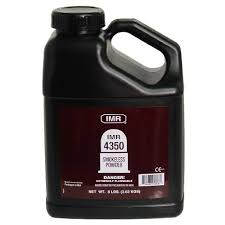
Smokeless powder is energetic and must be handled responsibly. When stored and used correctly, it is designed to function safely within ammunition.
General safety awareness includes:
- Storing powder in proper containers
- Avoiding heat sources
- Keeping powder dry and protected from contamination
Manufacturers design packaging and containers specifically to help manage these safety considerations.
Why Smokeless Powder Replaced Black Powder
Another question that frequently appears online is:
“Why did smokeless powder replace black powder?”
Smokeless powder offered several major improvements over traditional black powder.
Reduced Smoke
Black powder produces large clouds of smoke after firing. Smokeless powder burns much cleaner.
Higher Energy
Smokeless powder provides more energy per unit of weight, allowing smaller cartridges to produce higher velocities.
Improved Accuracy
Cleaner burning means less fouling inside barrels, helping maintain accuracy over longer shooting sessions.
These advantages led to smokeless powder becoming the standard propellant used in modern ammunition.
Frequently Asked Questions (FAQ)
What is the difference between smokeless powder and black powder?
Smokeless powder is a modern propellant that burns cleaner and produces more energy than traditional black powder. Black powder creates more smoke and residue.
Do all cartridges use the same type of primer?
No. Cartridges use different primer sizes and strengths depending on the cartridge design and firearm type.
Why are powder burn rates important?
Burn rates determine how quickly pressure builds inside a cartridge. Matching the correct burn rate to a cartridge helps maintain consistent performance.
Are smokeless powders interchangeable?
Different powders have different burn rates and characteristics. They are designed for specific applications and cartridge types.
Why are there so many smokeless powder brands?
Different manufacturers produce powders with specific burn rates, grain shapes, and performance characteristics to support a wide range of cartridge designs.
What causes powder to ignite in ammunition?
Ignition begins when the firing pin strikes the primer. The primer creates a spark that ignites the smokeless powder inside the cartridge case.
Why do rifle cartridges often use slower powders?
Large rifle cartridges benefit from slower powders because they maintain pressure longer, allowing the bullet to accelerate efficiently down the barrel.
What is primer sensitivity?
Primer sensitivity refers to how easily the primer compound ignites when struck by a firing pin.
Final Thoughts
Understanding smokeless powder and primers provides valuable insight into how modern ammunition functions. While these components may appear small, they play critical roles in the performance and reliability of every cartridge.
The most common questions asked online — from burn rates to primer function — reflect how much curiosity exists about the science behind ammunition. By learning the fundamentals, enthusiasts gain a deeper appreciation for the engineering and chemistry that make modern firearms operate safely and efficiently.