

Blog
Beginner’s Guide to Choosing the Perfect Primer for Your Reloading Needs

Introduction
Choosing the right primer is one of the most important steps in ammunition reloading. While beginners often focus heavily on powder and bullets, primers play a critical role in ignition, pressure, and consistency.
A primer is the small but powerful component that ignites the powder charge. Without proper primer selection, even a perfectly measured load can fail or become unsafe.
Many beginners ask:
- What is the difference between small and large primers?
- Are pistol and rifle primers interchangeable?
- How do I choose the right primer for my cartridge?
This guide answers all those questions and more. By the end, you will understand how to select the perfect primer for your reloading needs, safely and confidently.
What Is a Primer and How Does It Work?
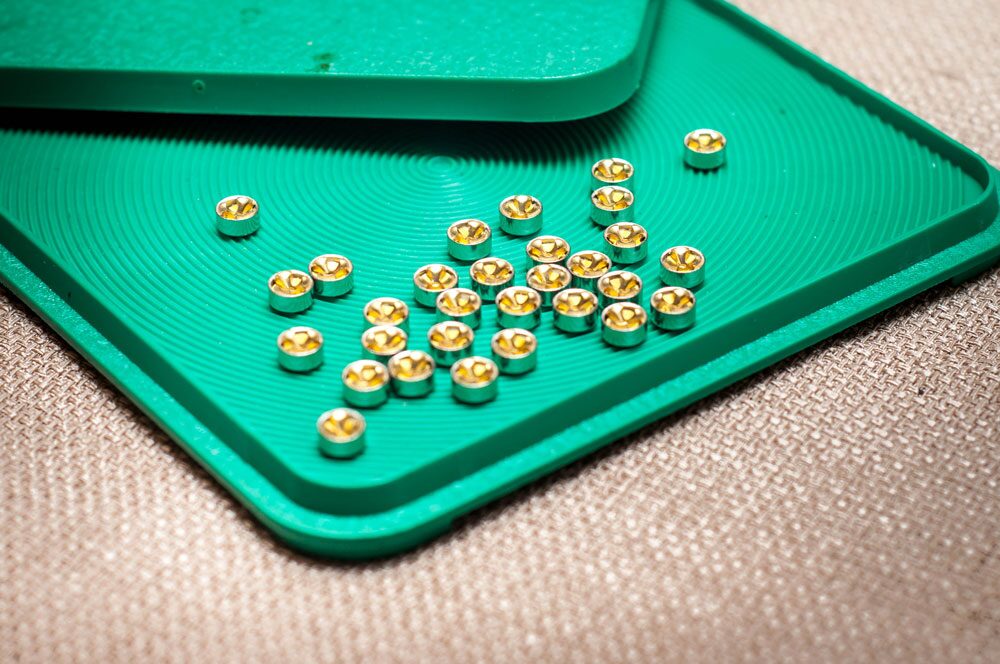
A primer is a small metal cup containing a sensitive explosive compound. When struck by the firing pin, it ignites and creates a spark that lights the powder charge.
Primer Ignition Process
Firing Pin Strike
        ↓
Primer Ignites
        ↓
Flash Through Flash Hole
        ↓
Powder Ignition
        ↓
Bullet Fired
Even though primers are small, they must deliver consistent ignition for reliable performance.
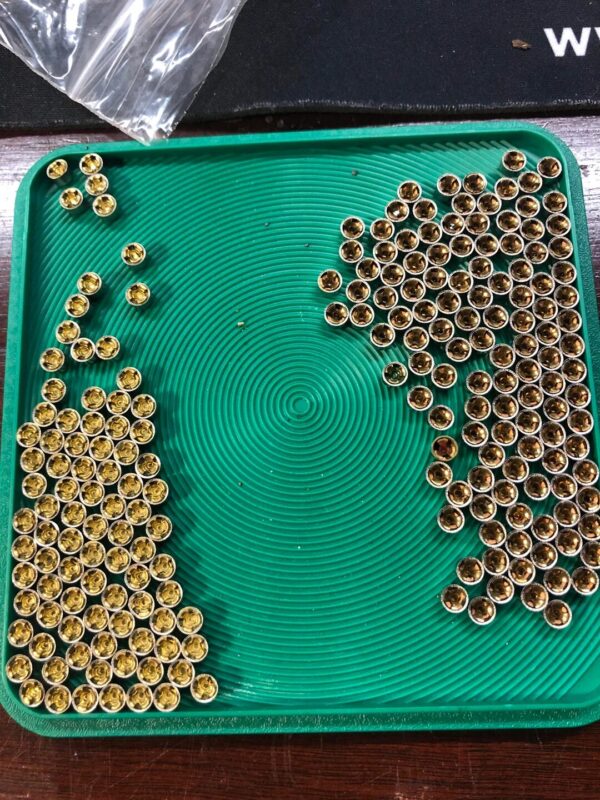
Types of Reloading Primers
Primers are categorized based on size and application.
Small vs Large Primers
The first major distinction is size.
Comparison Table: Small vs Large Primers
| Feature | Small Primers | Large Primers |
|---|---|---|
| Size | Smaller diameter | Larger diameter |
| Typical Use | Light to medium cartridges | Larger cartridges |
| Ignition Strength | Moderate | Stronger |
| Common Cartridges | 9mm, .223 | .45 ACP, .308 |
Key Insight
- Small primers are used in compact cartridges
- Large primers provide more ignition power for larger powder charges
Visual Size Concept
Small Primer   ●
Large Primer   ●●
Pistol vs Rifle Primers
The second major distinction is application.
Comparison Table: Pistol vs Rifle Primers
| Feature | Pistol Primers | Rifle Primers |
|---|---|---|
| Cup Thickness | Thinner | Thicker |
| Pressure Handling | Lower pressure | Higher pressure |
| Ignition Strength | Softer | Stronger |
| Use Case | Handguns | Rifles |
Why Rifle Primers Are Different
Rifle primers are designed to withstand:
- Higher chamber pressures
- Stronger firing pin strikes
- Larger powder charges
Pressure Resistance Diagram
Pressure ResistancePistol Primer   │███
Rifle Primer    │██████
Primer Categories Explained
Combining size and type creates four main primer categories.
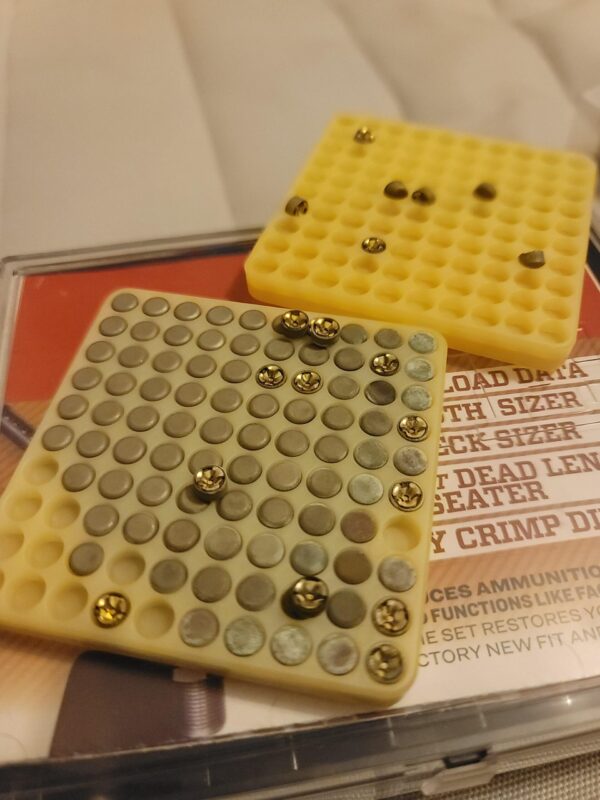
Primer Type Matrix
| Category | Description |
|---|---|
| Small Pistol | Handgun cartridges |
| Large Pistol | Larger handgun rounds |
| Small Rifle | Intermediate rifle cartridges |
| Large Rifle | Full-power rifle cartridges |
Standard vs Magnum Primers
Another important distinction is standard vs magnum primers.
Comparison Table
| Type | Purpose |
|---|---|
| Standard Primer | Normal loads |
| Magnum Primer | Hard-to-ignite powders |
When to Use Magnum Primers
- Cold weather shooting
- Large powder charges
- Slow-burning powders
How to Choose the Right Primer (Step-by-Step Guide)
Step 1: Identify Your Cartridge
Each cartridge has a recommended primer type.
| Cartridge | Primer Type |
|---|---|
| 9mm | Small pistol |
| .45 ACP | Large pistol |
| .223 Rem | Small rifle |
| .308 Win | Large rifle |
Step 2: Check Load Data
Always follow published load manuals. Primer type affects pressure and performance.
Step 3: Consider Powder Type
- Fast powders → standard primers
- Slow powders → magnum primers (in some cases)
Step 4: Evaluate Environment
Cold temperatures may require stronger ignition.
Step 5: Test for Consistency
Reloaders often test different primers to find the most consistent results.
Primer Selection Flowchart
Start
 ↓
Identify Cartridge
 ↓
Check Load Data
 ↓
Match Primer Type
 ↓
Standard or Magnum?
 ↓
Test Performance
What Happens If You Use the Wrong Primer?
Using the wrong primer can cause serious issues.
Common Problems
| Issue | Cause |
|---|---|
| Misfires | Weak primer |
| High pressure | Strong primer |
| Inconsistent velocity | Poor match |
Safety Warning
- Never substitute primers without verified load data
- Even small changes can affect pressure
Can You Substitute Primers?
This is one of the most searched questions.
Short Answer
- Not recommended
Why Substitution Is Risky
- Different ignition strength
- Different pressure characteristics
- Inconsistent results
Primer Seating and Handling Tips
Proper handling improves safety and consistency.
Correct Primer Seating
- Primer should sit flush
- Avoid crushing the primer
- Ensure proper alignment
Seating Diagram
Correct:   [■]
Too High:  [ ■]
Too Deep:  [■ ]
Safety Protocols for Handling Primers
Safety cannot be ignored when working with primers.
Essential Safety Tips
- Store primers in original packaging
- Keep away from heat and moisture
- Avoid static electricity
- Never force primers into place
Storage Guidelines
| Factor | Recommendation |
|---|---|
| Temperature | Cool |
| Humidity | Low |
| Light | Minimal |
Troubleshooting Primer Issues
Common Problems and Solutions
| Problem | Cause | Solution |
|---|---|---|
| Primer not seating | Dirty pocket | Clean pocket |
| Misfire | Defective primer | Replace |
| Flattened primer | High pressure | Reduce load |
Advanced Tips for Primer Optimization
For experienced reloaders, primers can fine-tune performance.
Expert Techniques
- Test multiple primer brands
- Keep primer lots consistent
- Match primer to powder type
Consistency Chart
Consistency
│        *
│      *
│    *
│  *
│*
└────────────
Basic → Advanced
Frequently Asked Questions
What is the difference between small and large primers?
Small primers are used in smaller cartridges, while large primers provide stronger ignition for larger loads.
Can I use rifle primers in pistol cartridges?
No. Rifle primers are harder and designed for higher pressures.
What happens if I use the wrong primer?
It can cause misfires, inconsistent performance, or dangerous pressure levels.
Do primers affect accuracy?
Yes. Consistent ignition improves accuracy.
Are magnum primers necessary?
Only for specific loads requiring stronger ignition.
Final Thoughts
Choosing the right primer is essential for safe and effective reloading.
The key principles are simple:
- Match primer size to cartridge
- Match primer type to firearm
- Follow verified load data
- Never substitute without confirmation
Although primers are small, they play a massive role in performance. By understanding their differences and applications, you can improve both safety and consistency in your reloading process.