



Blog
Why Are Reloading Primers and Smokeless Powder Still Hard to Find?

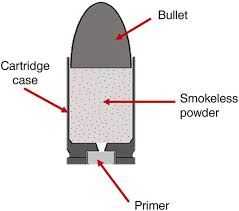
One of the most discussed topics across firearm forums, Quora threads, and shooting communities is the availability of reloading components. Many shooters and reloaders have noticed that primers and smokeless powder frequently sell out quickly, leaving store shelves empty.
Even years after the global supply disruptions that began around 2020, many reloaders still ask the same question:
Why are reloading primers and smokeless powder still difficult to find?
This article explores the real reasons behind component shortages, the market forces affecting the reloading industry, and why supply sometimes struggles to keep up with demand.
The Growing Popularity of Reloading
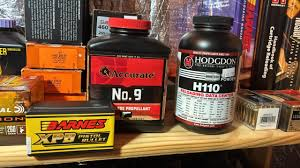
One major factor behind supply challenges is the rapid increase in interest in reloading ammunition.
During periods when commercial ammunition becomes expensive or difficult to find, many shooters begin learning how to reload their own cartridges. Reloading allows enthusiasts to better understand ammunition components and customize loads for specific firearms.
In recent years, several factors have driven a surge in reloading interest:
- Rising factory ammunition prices
- Increased participation in shooting sports
- Growing hunting participation
- Interest in precision shooting
As more people enter the hobby, demand for primers and smokeless powder increases significantly.
Why Primers Are Often the First Component to Disappear
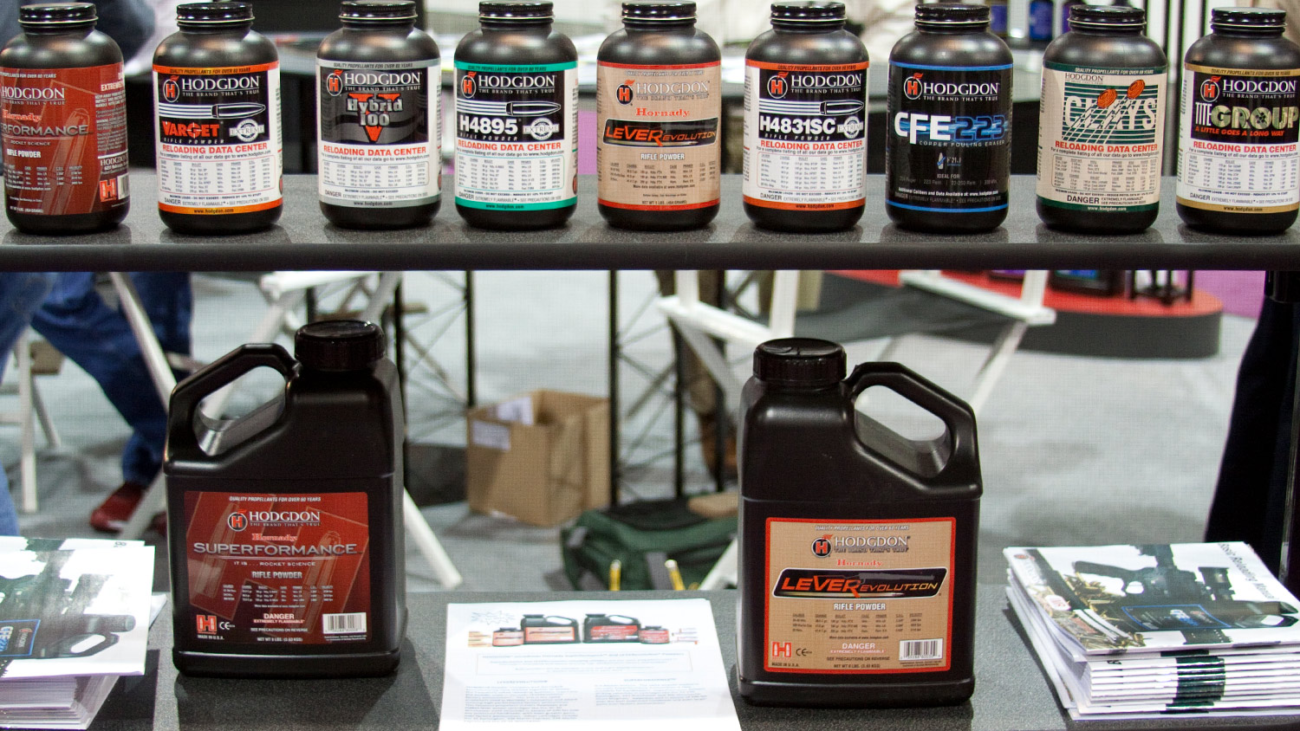
Among all ammunition components, primers are usually the hardest to find during shortages.
Primers are small but extremely important components because they provide the initial spark that ignites smokeless powder inside a cartridge. Without primers, ammunition cannot function.
When primer supply drops, the entire ammunition ecosystem is affected.
Limited Manufacturing Capacity
Primer manufacturing requires specialized equipment and strict safety controls. Only a limited number of companies produce primers globally.
Because of this, increasing production capacity takes time and significant investment.
Complex Chemical Components
Primer compounds require specific chemicals and materials. Any disruption in the supply of these materials can slow production.
High Demand From Ammunition Manufacturers
When ammunition demand increases, manufacturers prioritize producing factory ammunition before supplying components to the reloading market.
This often means fewer primers available for reloaders.
The Global Supply Chain Behind Smokeless Powder
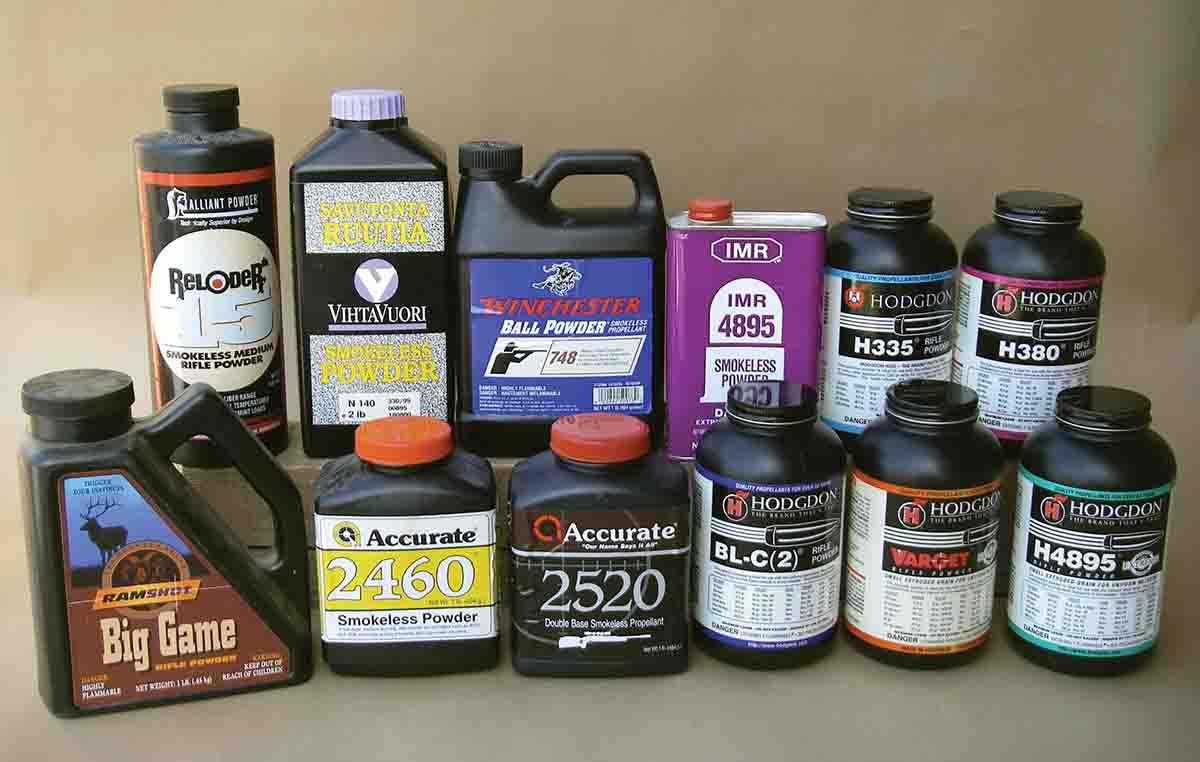
Smokeless powder production is part of a complex international supply chain.
Unlike some products that can be produced quickly, smokeless powder manufacturing requires:
- Specialized facilities
- Strict safety regulations
- Controlled chemical processes
These factors limit how quickly production can expand.
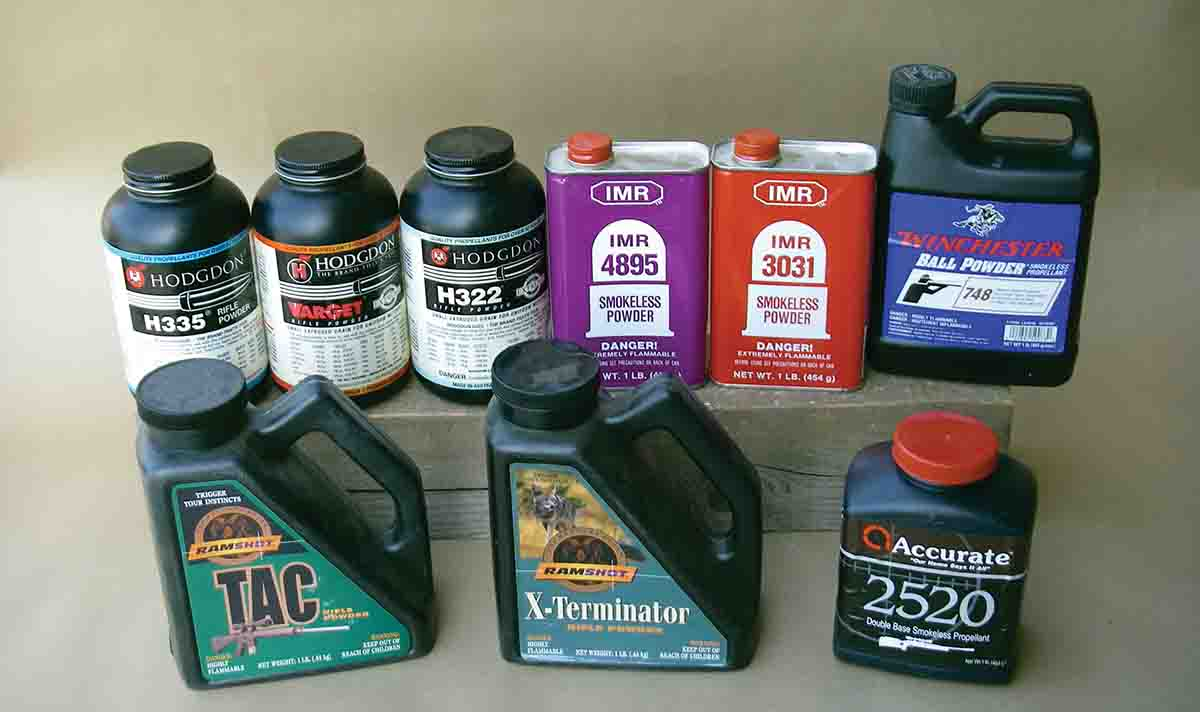
Many smokeless powders sold to reloaders are produced in facilities located in North America, Europe, and Australia, meaning international logistics also affect supply availability.
Shipping delays, trade restrictions, or production interruptions can influence how quickly powders reach distributors.
The Impact of Global Events on Powder Supply
Global events have also influenced powder availability.
Large-scale military production and geopolitical conflicts can increase demand for propellants used in ammunition manufacturing.
Military artillery shells require significant quantities of propellant, which can strain production capacity at facilities that also supply civilian powder markets.
Because military and government contracts often receive priority, civilian reloading markets may experience delays or reduced availability.
Why Powder and Primers Sell Out So Quickly
Another common question reloaders ask is:
Why do primers and powders disappear from stores so quickly?
There are several reasons.
Panic Buying
During times of uncertainty, many shooters purchase large quantities of components to ensure they have enough supply for future use.
Limited Retail Shipments
Retailers often receive small shipments that sell out within hours.
Online Stock Notifications
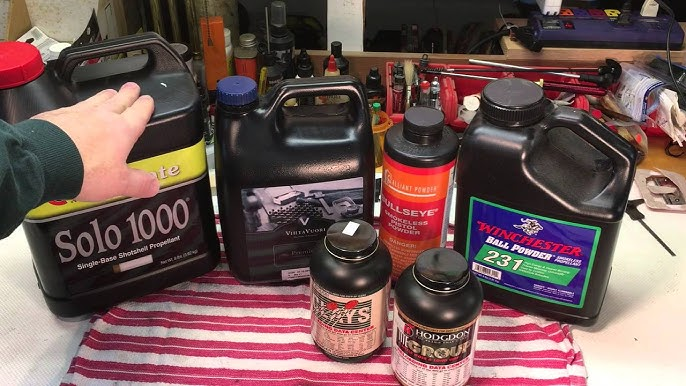
Many shooters use stock alert systems that notify them when components become available online. This means products can sell out extremely fast.
How Rising Demand Changed the Reloading Market
The reloading industry has seen significant changes over the past decade.
The increase in firearm ownership has created millions of new shooters who are interested in learning about ammunition.
According to industry estimates, millions of new gun owners entered the market during the early 2020s, which dramatically increased the demand for ammunition components.
Many of these shooters eventually explore reloading as a way to better understand how ammunition works.
Why Powder Prices Have Increased
Reloaders often notice that smokeless powder prices are higher than they were years ago.
Several factors influence powder pricing:
Raw Material Costs
Powder production requires chemical components such as nitrocellulose. Changes in raw material costs can influence manufacturing expenses.
Manufacturing Overhead
Maintaining safe powder manufacturing facilities requires specialized equipment, trained personnel, and strict safety protocols.
Transportation Costs
Shipping hazardous materials involves regulatory compliance and specialized transport methods.
All these factors contribute to the final cost of smokeless powder.
How the Industry Is Responding to Supply Challenges
Manufacturers have been working to address shortages and improve supply stability.
Some responses include:
- Expanding manufacturing facilities
- Increasing production capacity
- Diversifying supply chains
- Improving distribution systems
However, because powder manufacturing is heavily regulated and complex, changes often take years to fully implement.
The Long-Term Outlook for Reloading Components
Industry experts generally believe that powder and primer supply will continue fluctuating depending on market conditions.
When ammunition demand is high, reloading components may remain difficult to find.
However, as production expands and supply chains stabilize, availability often improves gradually.
The reloading industry has experienced cycles of shortage and recovery before, and many experienced reloaders recognize that the market tends to balance over time.
Frequently Asked Questions (FAQ)
Why are reloading primers so hard to find?
Primers require specialized manufacturing processes and chemical compounds. When demand increases suddenly, production capacity may struggle to keep up.
Why does smokeless powder go out of stock so often?
Powder manufacturing is complex and heavily regulated. Limited production capacity combined with increased demand can lead to temporary shortages.
Why do ammunition manufacturers get priority over reloaders?
Manufacturers must supply factory ammunition for the commercial market, military contracts, and law enforcement. This often takes priority over supplying individual reloading components.
Are powder shortages happening worldwide?
Yes. Because smokeless powder production and distribution involve international supply chains, shortages can occur in multiple regions simultaneously.
Will primer and powder supply improve in the future?
Supply typically improves when manufacturing capacity increases and demand stabilizes.
Why do retailers limit primer purchases?
Retailers often limit quantities to prevent hoarding and allow more customers access to available stock.
Conclusion
The availability of reloading primers and smokeless powder is influenced by many interconnected factors, including manufacturing capacity, supply chains, global demand, and economic conditions.
As more people become interested in shooting sports and reloading, demand for components continues to grow. While shortages can be frustrating for enthusiasts, understanding the factors behind these supply challenges helps explain why availability sometimes fluctuates.
Reloading has always been a community driven by knowledge, patience, and careful craftsmanship. As the industry continues evolving, both manufacturers and reloaders adapt to changing market conditions.