


Blog
Why Temperature Changes Affect Smokeless Powder Performance (Complete Guide for Reloaders)

Introduction
Many shooters notice a surprising phenomenon when shooting ammunition in different weather conditions:
The same load that performs perfectly during summer may produce lower velocity in winter, while hot weather may increase pressure and velocity.
This happens because temperature directly affects smokeless powder performance.
Temperature influences:
- powder ignition characteristics
- burn rate
- chamber pressure
- muzzle velocity
For reloaders who want consistent performance, understanding how temperature affects powder behavior is essential.
Competitive shooters, hunters, and long‑range marksmen all account for temperature when developing ammunition loads.
In this guide we will explore:
- the chemistry behind smokeless powder combustion
- how temperature affects burn rate
- why cold weather reduces velocity
- why high temperatures can increase pressure
- how modern powders are engineered for temperature stability
- how reloaders develop loads that remain consistent in all climates
The Chemistry of Smokeless Powder
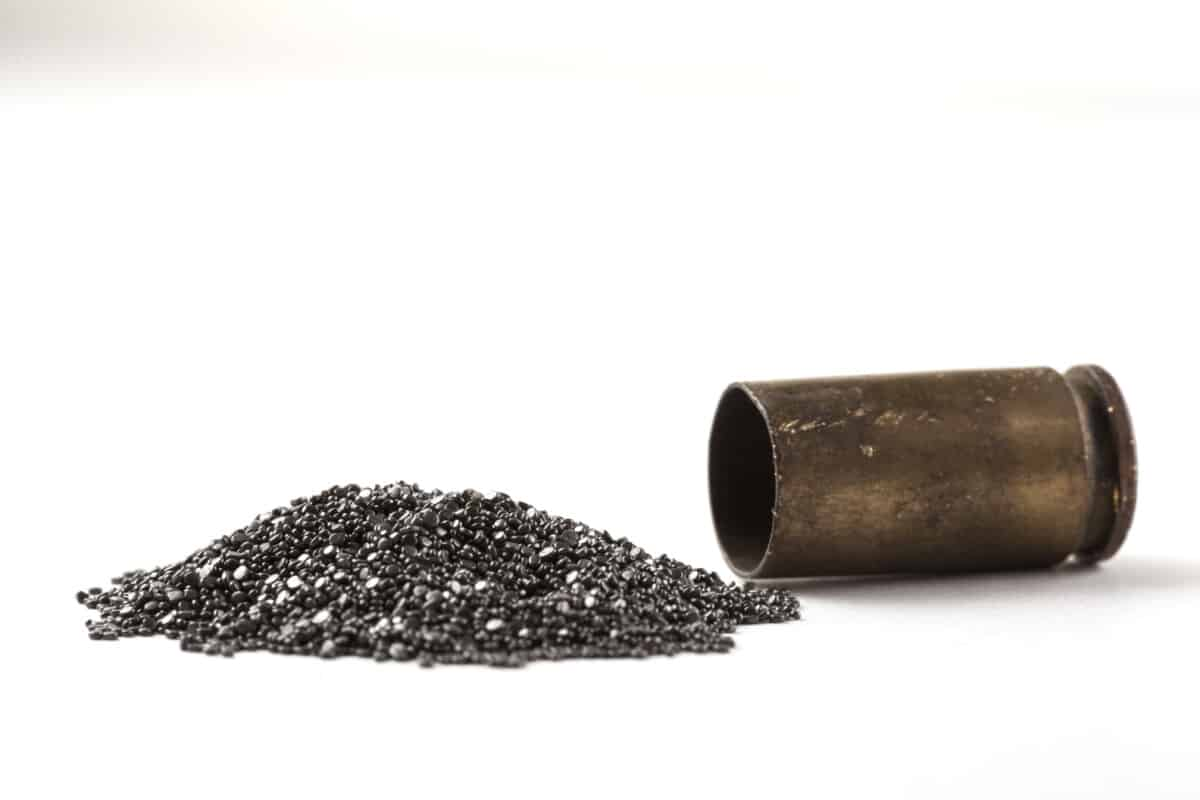
Smokeless powder is primarily composed of nitrocellulose, sometimes combined with nitroglycerin and stabilizing additives.
Unlike black powder, smokeless powder burns progressively rather than detonating.
The combustion process involves several stages:
- Primer ignition
- Surface burning of powder granules
- Gas production
- Pressure buildup
- Accelerated burn rate
- Bullet movement through barrel
Because this combustion depends on chemical reactions, temperature plays a critical role in determining how quickly these reactions occur.
Why Chemical Reactions Depend on Temperature
Most chemical reactions occur faster at higher temperatures.
This principle is well known in chemistry and physics.
When temperature increases:
- molecules move faster
- reaction rates accelerate
- energy transfer increases
When temperature decreases:
- molecules move slower
- reaction rates slow down
- ignition becomes less efficient
Because smokeless powder combustion is a chemical reaction, its burn rate changes depending on temperature.
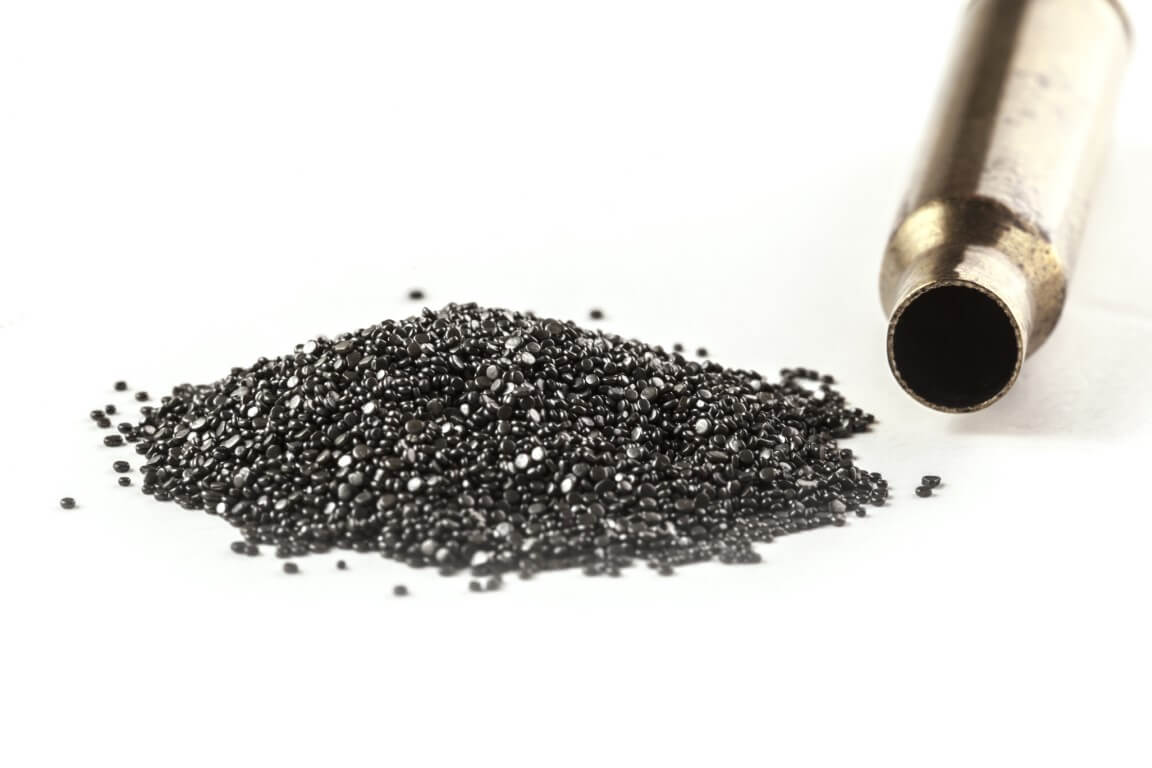
Chart: Temperature vs Reaction Speed
Reaction SpeedHigh |                 *
     |              *
     |           *
     |        *
     |     *
Low  |  *
     ----------------------------
       Cold      Mild      Hot
             Temperature
This relationship explains why powder burns differently in cold and hot conditions.
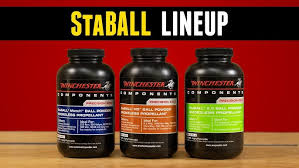
How Cold Weather Affects Powder Performance
Cold temperatures can significantly change how smokeless powder behaves.
When ammunition becomes cold, several things happen.
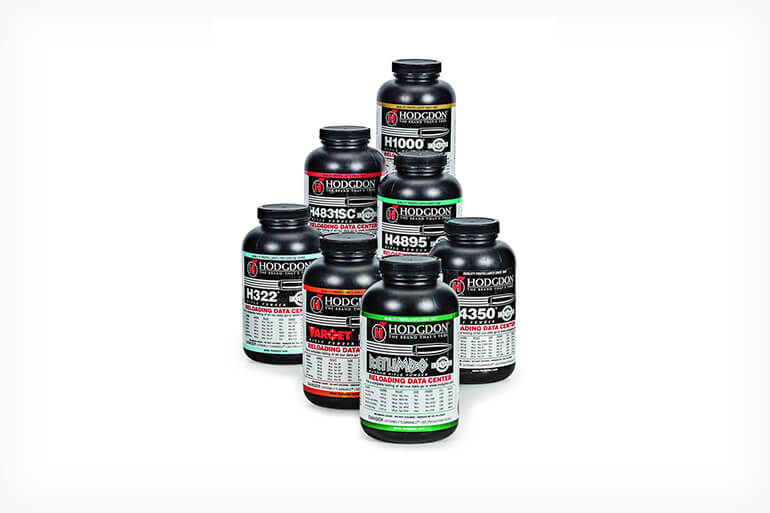
Slower Ignition
Cold powder is more difficult for the primer to ignite.
The chemical reaction requires more energy to begin.
This can result in:
- slower ignition
- delayed pressure buildup
- reduced burn efficiency
Lower Chamber Pressure
Because powder burns more slowly in cold temperatures, the resulting gas production occurs more gradually.
This produces lower chamber pressure.
Lower pressure often results in:
- reduced bullet velocity
- greater velocity variation
- inconsistent performance
Chart: Velocity Change in Cold Weather
Velocity (fps)3100 |        Summer
3000 |         *
2900 |      *
2800 |   *
2700 | Winter
     -----------------------
       Cold       Warm
        Temperature
This is why long‑range shooters carefully track temperature when calculating ballistic trajectories.
Why Hot Weather Can Increase Pressure
While cold temperatures reduce burn efficiency, hot temperatures can have the opposite effect.
Hot powder ignites more easily and burns faster.
This can cause:
- increased chamber pressure
- higher muzzle velocity
- potentially dangerous pressure spikes
Heat and Pressure
When powder burns faster, gas is produced more rapidly.
Rapid gas production increases pressure inside the cartridge.
If pressure rises beyond safe limits, it can damage firearms or cause dangerous malfunctions.
This is why reloaders must consider maximum load safety margins when developing ammunition.
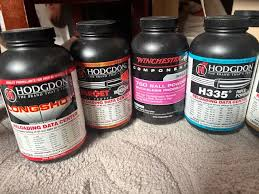
Diagram: Temperature Influence on Chamber Pressure
PressureHigh |             *
     |           *
     |        *
     |     *
     |  *
Low  |
     ----------------------------
       Cold      Normal     Hot
             Temperature
Temperature Sensitivity of Different Powders
Not all powders react the same way to temperature.
Some powders are highly sensitive to temperature changes, while others are engineered to remain stable.
Powder sensitivity depends on:
- chemical composition
- stabilizers and additives
- grain shape and geometry
- deterrent coatings
Ball Powder vs Extruded Powder
Powder type also affects temperature behavior.
Ball Powder
Ball powders consist of small spherical granules.
Advantages:
- meters easily through powder measures
- consistent charge weights
Disadvantages:
- sometimes more temperature sensitive
- harder to ignite in cold conditions
Extruded Powder
Extruded powders consist of cylindrical grains.
Advantages:
- often more stable across temperatures
- predictable burn characteristics
Disadvantages:
- sometimes meter less consistently
Chart: Powder Type vs Temperature Stability
Powder Type      Temperature StabilityBall Powder      Moderate
Extruded Powder  High
Flake Powder     Moderate
Temperature Stable Powders
Some powder manufacturers design powders specifically to resist temperature changes.
These powders include additives that stabilize burn characteristics across wide temperature ranges.
Temperature stable powders are often marketed to:
- long‑range shooters
- military applications
- hunters in extreme climates
These powders help maintain consistent performance from freezing winter conditions to hot summer environments.
Real World Example: Long Range Shooting
Long‑range shooters must carefully consider temperature when calculating bullet trajectory.
Even small velocity differences can significantly affect bullet impact at long distances.
For example:
A 50 fps velocity difference can cause several inches of vertical deviation at 1000 yards.
Because of this, competitive shooters often record:
- temperature
- humidity
- atmospheric pressure
These factors help them predict ballistic performance accurately.
Image Suggestion
Filename
long-range-ballistics-temperature-effects.jpg
Alt text
diagram showing temperature influence on bullet trajectory
How Reloaders Compensate for Temperature Changes
Experienced reloaders develop strategies to maintain consistent performance across temperature ranges.
Using Temperature Stable Powders
Many reloaders select powders specifically known for temperature stability.
These powders reduce velocity changes between seasons.
Testing Loads in Different Weather
Some shooters test their ammunition during both hot and cold conditions.
This helps them understand how loads behave under different temperatures.
Chronograph Testing
A chronograph measures bullet velocity.
By measuring velocity in different temperatures, reloaders can detect performance changes.
Chart: Velocity Tracking Example
Temperature (°C)     Velocity (fps)0°C                  2850
10°C                 2890
20°C                 2930
30°C                 2960
Velocity increases as temperature rises.
Ammunition Storage and Temperature
Temperature does not only affect powder during firing.
It can also influence ammunition stored for long periods.
Cold Storage
Extremely cold ammunition may produce slower ignition.
Hot Storage
Storing ammunition in very hot environments can accelerate chemical degradation over long periods.
Proper storage conditions include:
- cool temperatures
- low humidity
- stable environment
Signs of Temperature Pressure Problems
Reloaders should watch for warning signs that loads may be producing excessive pressure in hot weather.
Common signs include:
- flattened primers
- sticky bolt lift
- difficult extraction
- unusual recoil
If these signs appear, the load may need adjustment.
Temperature Effects in Military Ammunition
Military ammunition must perform reliably across extreme environmental conditions.
Soldiers may operate in climates ranging from arctic cold to desert heat.
For this reason, military propellants are often engineered to remain stable across wide temperature ranges.
This technology has influenced many commercial powders available to civilian reloaders.
Advanced Topic: Temperature and Burn Rate Chemistry
Temperature sensitivity is partly determined by the activation energy of chemical reactions within powder compounds.
Activation energy refers to the energy required for a chemical reaction to begin.
Higher temperatures provide more molecular energy, allowing reactions to start faster.
Powder manufacturers carefully adjust chemical formulations to control activation energy and stabilize burn characteristics.
FAQ Section
Does cold weather reduce bullet velocity?
Yes. Cold powder burns more slowly, producing lower chamber pressure and reduced velocity.
Can hot weather make ammunition dangerous?
Extremely hot conditions can increase chamber pressure, especially with maximum loads.
What are temperature stable powders?
They are powders engineered to maintain consistent burn characteristics across a wide temperature range.
How much can temperature change velocity?
Velocity can change by 20 to 100 fps or more depending on powder type and temperature difference.
Should reloaders test ammunition in winter?
Yes. Testing loads in different temperatures helps ensure consistent performance.
Conclusion
Temperature plays a significant role in smokeless powder performance.
Cold temperatures tend to reduce burn efficiency, resulting in lower velocity and pressure. Hot temperatures can increase burn rate and pressure, sometimes pushing loads toward unsafe limits.
Understanding how temperature affects powder allows reloaders to develop more consistent ammunition and avoid potential safety issues.
By selecting appropriate powders, testing loads carefully, and storing ammunition properly, shooters can maintain reliable ballistic performance in a wide range of environmental conditions.