

Blog
How Burn Rate Affects Reloading Accuracy and Velocity

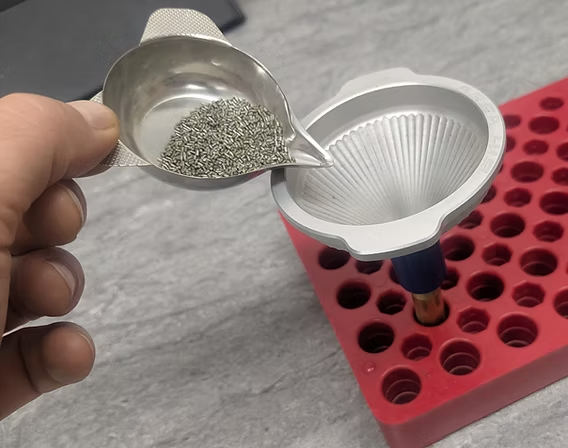
Understanding smokeless powder burn rate is one of the most discussed topics among reloaders and ballistic enthusiasts. Across online forums, reloading manuals, and shooting communities, questions about burn rate appear repeatedly:
- What does burn rate actually mean?
- How does burn rate affect velocity and accuracy?
- Can two powders with similar burn rates be substituted?
- Why do magnum cartridges require slower powders?
These questions dominate high-volume search traffic and community discussions because burn rate directly influences internal ballistics, chamber pressure, and shooting performance.
When a cartridge is fired, the powder inside does not explode instantly. Instead, it burns progressively, generating gas that pushes the bullet down the barrel. The speed of this combustion process is known as the powder’s burn rate.
Different powders burn at different speeds, and matching the correct burn rate to a cartridge is essential for safe and consistent ammunition performance.
What Is Powder Burn Rate?
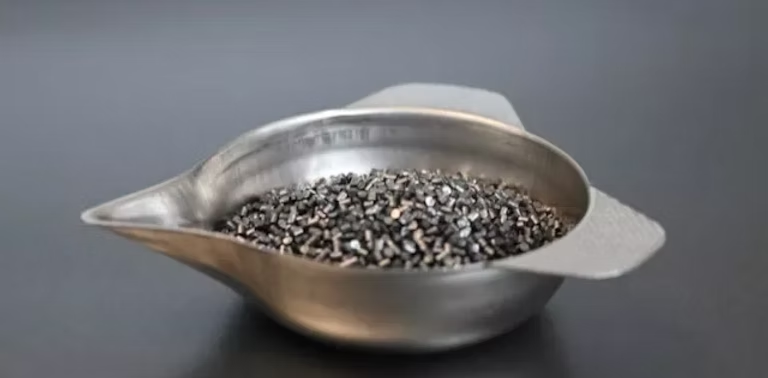
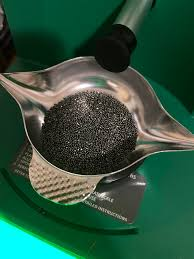
Burn rate refers to how quickly a smokeless powder converts into expanding gas when ignited.
Contrary to common belief, powder does not detonate like an explosive. Instead, it burns progressively and accelerates as pressure increases inside the cartridge case.
One reloading forum explanation summarizes it clearly:
“Burning rate simply refers to how rapidly the energy is delivered.”
This progressive burn is what allows modern firearms to generate enormous pressure safely while propelling bullets at high velocity.
Why Burn Rate Is Important in Reloading
Burn rate directly influences several critical factors:
| Performance Factor | How Burn Rate Influences It |
|---|---|
| Chamber Pressure | Faster powders build pressure quickly |
| Velocity | Slower powders sustain pressure longer |
| Barrel Efficiency | Powder must burn within the barrel |
| Accuracy | Stable pressure curves improve consistency |
| Recoil | Faster powders can create sharper recoil impulses |
Selecting the wrong burn rate can lead to:
- poor accuracy
- inconsistent velocity
- incomplete powder burn
- dangerous pressure spikes
According to reloading guides, using the wrong powder for a cartridge can cause pressure spikes or inefficient combustion.
High-Volume Search Topic: Fast vs Slow Burning Powder
One of the most searched questions online is:
“What is the difference between fast and slow burning powder?”
The difference lies in how quickly gas is produced during ignition.
Fast Burning Powders
Characteristics:
- ignite rapidly
- reach peak pressure quickly
- ideal for small cartridges and handguns
Applications:
- pistol ammunition
- shotgun loads
- small rifle cartridges
Slow Burning Powders
Characteristics:
- burn gradually
- produce longer pressure curves
- generate higher velocities in large cartridges
Applications:
- magnum rifle cartridges
- long-range precision shooting
- large case volumes
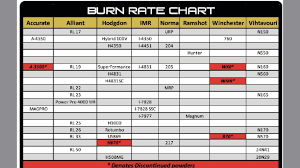
Burn Rate Chart (Simplified)
FAST POWDERS
│
│ Bullseye
│ Red Dot
│ TiteGroup
│
│ Medium Burn Powders
│ Unique
│ Power Pistol
│ Varget
│
│ Slow Burn Powders
│ H4831
│ Retumbo
│ H1000
│
SLOWEST
Burn rate charts rank powders from fastest to slowest, but they are only relative comparisons. There is no universal measurement system for burn rate.
Trending Forum Discussion: Why Burn Rate Charts Are Only Guidelines
Many reloaders misunderstand burn rate charts.
Forum discussions frequently point out that powders with similar burn rates are not interchangeable.
A common misconception is:
“If two powders are next to each other on a burn rate chart they can be substituted.”
However, reloading manuals warn this assumption can be dangerous because powders with similar burn rates can have different densities and pressure behavior.
Even powders ranked close together may vary significantly in combustion characteristics.
Factors That Influence Powder Burn Rate Performance
Burn rate alone does not determine how a powder performs.
Several factors influence how powder behaves inside a cartridge.
1. Cartridge Size and Case Volume
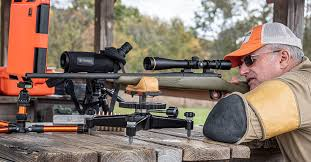
One of the most important factors in powder selection is case capacity.
Small cartridges require faster powders because pressure must build quickly in the limited case volume.
Example:
| Cartridge | Typical Burn Rate |
|---|---|
| .223 Rem | Fast to Medium |
| .308 Win | Medium |
| .300 Win Mag | Slow |
Larger cartridges require slower powders to maintain a sustained pressure curve.
2. Barrel Length
Barrel length determines how long expanding gases push the bullet.
| Barrel Length | Recommended Powder Type |
|---|---|
| Short barrels | Fast powders |
| Medium barrels | Medium burn powders |
| Long barrels | Slow powders |
If powder continues burning after the bullet exits the barrel, energy is wasted as muzzle flash and noise.
3. Bullet Weight
Bullet weight also affects powder choice.
Heavier bullets create more resistance, requiring a longer pressure curve.
Example:
| Bullet Weight | Powder Type |
|---|---|
| Light bullets | Fast to medium powder |
| Medium bullets | Medium powder |
| Heavy bullets | Slow powder |
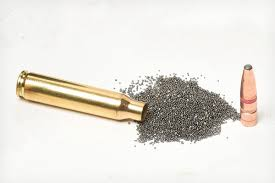
4. Powder Grain Shape
Powder grain shape controls how the powder burns.
| Powder Shape | Characteristics |
|---|---|
| Flake | Fast ignition |
| Ball | Consistent metering |
| Extruded | Stable burn curves |
The shape determines how much surface area burns during combustion, influencing burn speed.
Step-by-Step Guide: Choosing the Right Powder Burn Rate
This process reflects common advice from experienced reloaders.
Step 1 – Identify the Cartridge
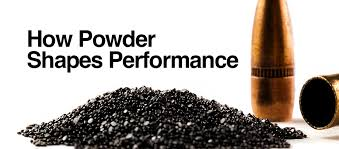
Different cartridges require different burn rate ranges.
Example:
- pistol cartridges → fast powders
- standard rifle cartridges → medium powders
- magnum cartridges → slow powders
Step 2 – Evaluate Barrel Length
Short barrels require faster powders because the bullet exits quickly.
Long barrels allow slower powders to burn fully.
Step 3 – Match Bullet Weight
Heavier bullets require sustained pressure curves.
Therefore, slower powders often work better.
Step 4 – Consult Multiple Reloading Data Sources
Burn rate charts should only be used to compare similar powders, not replace reloading manuals.
Internal Ballistics Explained
Internal ballistics describes what happens inside the firearm during firing.
Stages include:
- primer ignition
- powder combustion
- gas expansion
- bullet acceleration
- bullet exit
Each stage is influenced by powder burn rate.
Internal Ballistics Diagram
Primer Ignition
      ↓
Powder Combustion
      ↓
Pressure Build Up
      ↓
Bullet Acceleration
      ↓
Bullet Leaves Barrel
The efficiency of this process determines:
- muzzle velocity
- pressure stability
- accuracy potential
Powder Burn Rate vs Velocity
Another common search query is:
“Does slower powder increase velocity?”
The answer depends on the cartridge.
| Powder Type | Velocity Potential |
|---|---|
| Fast powder | lower velocity in large cartridges |
| Medium powder | balanced performance |
| Slow powder | higher velocity in magnum cartridges |
Slower powders allow pressure to push the bullet longer, increasing velocity potential.
Powder Efficiency and Case Fill
Reloaders often aim for high case fill percentages.
Benefits include:
- consistent ignition
- reduced powder movement
- stable pressure curves
Low case fill can produce erratic velocities.
Common Mistakes Reloaders Discuss Online
Reloading forums frequently highlight several mistakes.
Mistake 1: Using burn rate charts as load data
Charts only provide relative comparisons.
Mistake 2: Assuming powders with similar burn rates behave the same
Different powders may produce different pressure curves.
Mistake 3: Ignoring barrel length
Powder must burn efficiently within the barrel length.
Mistake 4: Not considering bullet weight
Bullet resistance significantly affects pressure and burn characteristics.
Community Insight From Reloading Forums
Community discussions provide practical insights into powder behavior.
Example from Reddit discussions:
Burn rate charts only compare powders; there’s no universal numerical scale.
Another experienced reloader noted:
Burn rate alone doesn’t determine performance.
These discussions highlight that powder behavior depends on multiple variables, not burn rate alone.
Frequently Asked Questions
What powder burn rate is best for rifles?
Medium to slow powders are typically used for rifle cartridges because they sustain pressure over longer barrel lengths.
Does faster powder increase pressure?
Yes. Faster powders reach peak pressure more quickly.
Are burn rate charts accurate?
They are useful as relative guides, but they cannot replace official load data.
Can two powders with the same burn rate be substituted?
No. Even similar powders may produce different pressures and velocities.
Final Thoughts
Understanding how burn rate affects reloading accuracy and velocity is essential for anyone interested in ammunition performance.
Burn rate influences:
- pressure development
- velocity potential
- recoil characteristics
- barrel efficiency
- accuracy consistency
However, burn rate is only one component of the reloading equation.
Factors like bullet weight, cartridge size, powder composition, and barrel length all interact to determine how a load performs.
By studying burn rate charts, consulting reliable load data, and understanding internal ballistics principles, shooters can gain a deeper understanding of how smokeless powder functions inside modern firearms.