


Blog
Practical Safety & Storage Practices During 2026 Powder Shortages

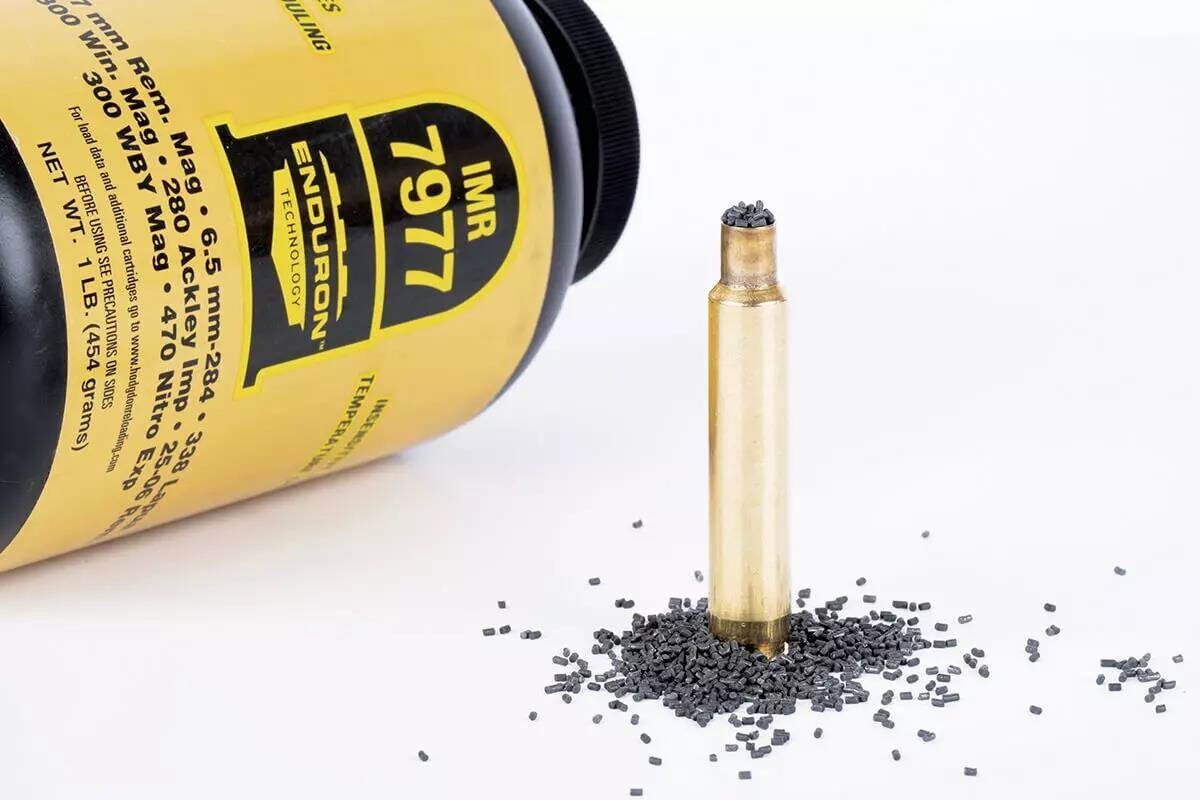
1. Introduction – Why Safety & Storage Matter More Than Ever
The 2026 gun powder shortage has created a tense environment for reloaders worldwide. With powder in short supply and prices skyrocketing, protecting your existing stock has never been more critical.
Improper storage or handling can lead to:
- Powder degradation
- Accidental ignition
- Wasted rounds
This guide provides practical, actionable safety and storage strategies to help you navigate scarcity efficiently while staying safe.

2. Quick Answers (Snippet Optimized)
- Store powder in cool, dry, ventilated spaces
- Avoid mixing powders or using damaged containers
- Rotate stock based on purchase date
- Limit powder exposure to heat, sunlight, or humidity
- Follow legal limits for powder storage in your area
3. The Basics of Powder Safety
3.1 Temperature & Humidity Control
- Ideal storage temperature: 50–70°F (10–21°C)
- Humidity: below 50% relative humidity
- Avoid attics, garages, or unventilated storage areas
3.2 Secure Containers
- Use original manufacturer containers whenever possible
- Keep lids tightly sealed
- Avoid rusted or corroded metal containers
3.3 Fire Safety Precautions
- Keep powder away from heat sources, flames, or sparks
- Store small quantities in multiple containers rather than one large batch
- Have a fire extinguisher rated for chemical fires nearby
4. Stock Rotation & Inventory Management
4.1 First In, First Out (FIFO)
- Use older powder before newer stock
- Prevents degradation over time
- Keeps your inventory fresh for critical loads
4.2 Labeling & Documentation
- Include purchase date, lot number, and powder type on each container
- Track usage and remaining stock in a digital or paper log
5. Handling & Dispensing Powder Safely
- Use dedicated powder scoops
- Avoid spilling onto metal surfaces (static sparks)
- Wear protective gloves and goggles
- Clean spills immediately with a dry cloth or brush — no water
6. Emergency & Shortage-Specific Storage Strategies
6.1 Small, Manageable Quantities
- Store in multiple smaller containers to minimize loss if one batch is compromised
6.2 Temperature Buffering
- Store powder in insulated containers during seasonal extremes
- Avoid hot attics or cold garages
6.3 Segregate by Type
- Keep ball powder separate from extruded or IMR powders
- Reduces risk of cross-contamination
7. Visual Guide – Powder Storage Setup (Text-Based)
+---------------------------------+
| Cool, Dry, Ventilated Cabinet   |
|                                 |
| [Small Container] [Label: Lot] |
| [Small Container] [Label: Lot] |
| [Small Container] [Label: Lot] |
+---------------------------------+
Features:
- 50–70°F, <50% humidity
- Away from heat or direct sunlight
- Fire extinguisher nearby
8. Common Mistakes Reloaders Make
| Mistake | Risk | Solution |
|---|---|---|
| Storing in hot attic | Powder degradation | Use climate-controlled room |
| Mixing powders | Accidental ignition | Keep separate by type |
| Overstocking | Legal or safety violations | Check local limits, divide into multiple containers |
| Ignoring humidity | Clumping & misfires | Use silica packs, maintain <50% RH |
| Poor labeling | Using wrong powder | Clearly mark type, lot, and purchase date |
9. Real-World Community Insights
- Reddit r/reloading: Users report clumping due to humidity; silica packs recommended
- Forum discussions: High frustration with lost powder due to poor storage; shared diagrams and storage hacks
- Users emphasize preparing before shortages hit, rather than reacting
10. Step-by-Step Guide for Safe Powder Storage During 2026 Shortages
Step 1: Inspect & Organize
- Check every container for damage
- Remove old or degraded powder
Step 2: Label Clearly
- Lot number, powder type, purchase date
- Optional: add intended use (practice, hunting, competition)
Step 3: Optimize Storage Environment
- Maintain cool, dry, ventilated space
- Avoid direct sunlight and heat sources
Step 4: Use Silica or Desiccant Packs
- Control humidity and prevent clumping
- Replace periodically
Step 5: Implement Inventory Rotation
- Use first in, first out
- Maintain digital or paper logs
Step 6: Educate Household Members
- Ensure everyone handling powder understands safety
- Keep powder off-limits to children or pets
11. Alternative Storage & Safety Tools
| Tool | Purpose |
|---|---|
| Lockable cabinet | Prevent unauthorized access |
| Silica packs | Reduce humidity |
| Thermometer & hygrometer | Monitor temperature & humidity |
| Fire extinguisher (class D) | Powder-related fire emergencies |
| Digital log system | Track stock rotation & usage |
12. Future Outlook for Storage & Safety
- With ongoing 2026 shortages, proper storage will remain critical
- Expect local suppliers to implement restock alerts — maintaining secure stock will save frustration
- Safety innovations (humidity-controlled cabinets, automated inventory alerts) are likely to become mainstream
13. FAQ – Powder Storage & Safety 2026
How do I dispose of degraded powder safely?
Follow local hazardous waste disposal guidelines
What’s the safest temperature for powder storage?
50–70°F (10–21°C)
How do I prevent powder from clumping?
Keep it dry, use silica packs, avoid humidity
Is it safe to store powder in metal containers?
Only if corrosion-free and tightly sealed
How much powder can I legally store?
Check local, state, and federal regulations
Can I mix different powder types in one container?
No, always store separately
Should I store powder in my garage or attic?
Avoid heat extremes and humidity; use climate-controlled spaces
How often should I rotate my powder stock?
Use first in, first out whenever possible
What protective equipment should I use?
Gloves, goggles, and anti-static handling measures
Are there substitutes if my powder is unavailable?
Check reloading manuals for approved compatible powders