


Blog
The Ultimate Guide to Ammunition Reloading: Techniques, Tips, and Safety


Introduction to Reloading
Ammunition reloading, often called handloading, is the process of assembling cartridges using individual components such as brass cases, primers, powder, and bullets. While it may seem complex at first, reloading becomes a powerful skill that gives shooters full control over their ammunition.
In recent years, interest in reloading has surged. This is largely due to rising ammunition costs, supply shortages, and the growing demand for precision shooting. As a result, more people are turning to reloading not just as a cost-saving method, but as a way to improve performance and gain independence.
Reloading offers several key advantages. First, it allows you to fine-tune ammunition for your specific firearm. Second, it improves consistency, which directly impacts accuracy. Finally, it ensures you are not entirely dependent on market availability.
However, reloading is not something to approach casually. It requires discipline, attention to detail, and strict adherence to safety procedures. This guide will walk you through everything—from beginner fundamentals to advanced techniques used by experienced reloaders.
Pistol vs. Rifle Reloading: Key Differences
Although pistol and rifle reloading follow the same general process, they differ significantly in execution, precision, and safety considerations.
Core Differences Between Pistol and Rifle Reloading
| Feature | Pistol Reloading | Rifle Reloading |
|---|---|---|
| Pressure Levels | Lower | Higher |
| Powder Type | Fast-burning | Slow-burning |
| Case Size | Small | Large |
| Precision Requirement | Moderate | High |
| Reloading Speed | Faster | Slower |
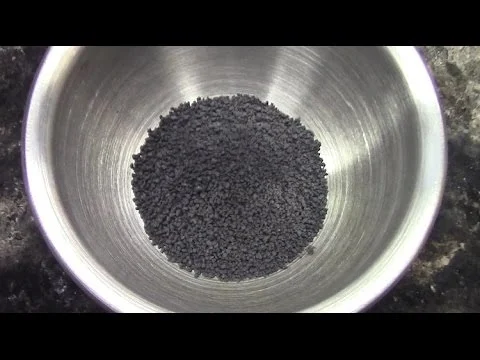
Pistol cartridges typically operate at lower pressures and use fast-burning powders. Because of this, they are generally easier and faster to reload in large quantities.
Rifle cartridges, on the other hand, operate at much higher pressures and require slower-burning powders. This makes precision more critical. Small variations in powder charge or bullet seating depth can significantly affect performance.
Pressure Curve Visualization
Pistol
│  /\
│ /  \
│/    \__
└──────────Rifle
│     ______
│    /      \
│   /        \
│__/          \____
└──────────────────
The pistol pressure curve spikes quickly and drops off fast, while the rifle curve builds gradually and sustains pressure over a longer period.
Practical Takeaway
If your goal is high-volume shooting, pistol reloading is more efficient. If your goal is precision and long-range performance, rifle reloading demands more attention to detail.

Choosing the Right Powder and Primer
Selecting the correct powder and primer is one of the most critical steps in reloading. This decision directly affects pressure, velocity, and safety.
Types of Smokeless Powder
| Powder Type | Application |
|---|---|
| Fast-burning | Pistols and short barrels |
| Medium-burning | Intermediate rifles |
| Slow-burning | Long-range rifles |
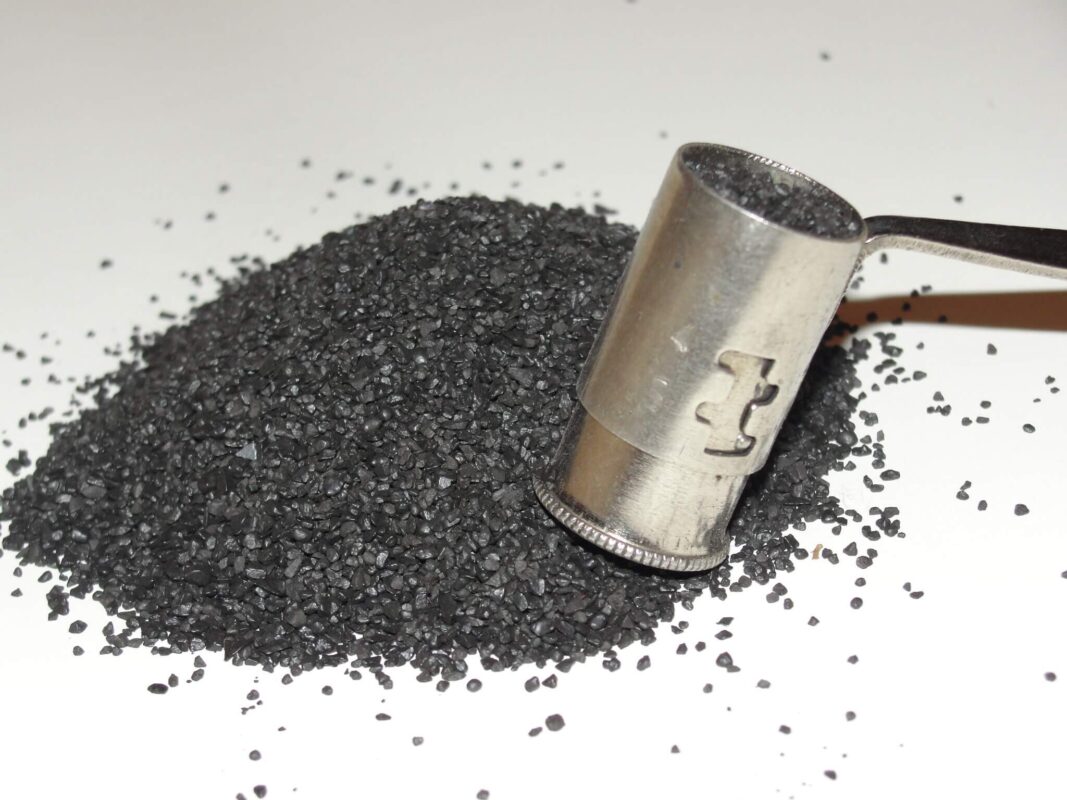
Powder burn rate determines how quickly energy is released. Fast powders ignite quickly and are ideal for short barrels, while slow powders burn longer and are suited for rifles.
Burn Rate Chart
FAST → MEDIUM → SLOW
Pistol   Hybrid   Rifle
Using the wrong burn rate can lead to inefficient performance or dangerous pressure spikes.
Primer Types and Their Uses
| Primer Type | Typical Use |
|---|---|
| Small Pistol | 9mm, .38 Special |
| Large Pistol | .45 ACP |
| Small Rifle | .223 Rem |
| Large Rifle | .308 Win |
Primers ignite the powder charge. Using the wrong primer can result in inconsistent ignition or pressure issues.
Key Rule
Always follow published load data. Even powders with similar burn rates are not interchangeable without verified data.
Safety Protocols Every Reloader Must Know
Safety is the foundation of reloading. Every step must be performed with precision and awareness.
Essential Safety Rules
- Never exceed maximum load data
- Always verify powder type before use
- Keep your workspace organized
- Avoid distractions while reloading
Reloading Safety Checklist
Before:
✔ Inspect brass
✔ Confirm powder type
✔ Check equipmentDuring:
✔ Measure accurately
✔ Stay focused
✔ Double-check chargesAfter:
✔ Inspect rounds
✔ Store safely
Common Dangerous Mistakes
| Mistake | Risk |
|---|---|
| Double charge | Excessive pressure |
| Wrong powder | Catastrophic failure |
| Damaged brass | Case rupture |
Even small mistakes can have serious consequences. This is why experienced reloaders emphasize consistency and routine.
Step-by-Step Reloading Process
Understanding the process step-by-step ensures both safety and efficiency.
Step 1: Clean and Inspect Brass
Start by cleaning your brass to remove dirt and residue. Then inspect each case for cracks, dents, or defects.
Step 2: Resize and Deprime
Resizing restores the case to proper dimensions, while depriming removes the spent primer.
Step 3: Prime the Case
Insert a new primer carefully. It should sit flush with the case base.
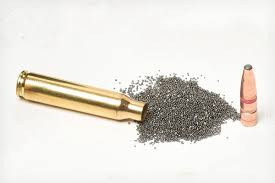
Step 4: Measure and Add Powder
Accurate powder measurement is critical.
Accuracy Impact
│        *
│      *
│    *
│  *
│*
└────────────
Low → High Precision
Even slight variations can affect performance and safety.
Step 5: Seat the Bullet
Insert the bullet into the case to the correct depth. This affects pressure and accuracy.
Step 6: Crimp the Case
Crimping secures the bullet and ensures consistent feeding and ignition.
Complete Reloading Workflow
Clean → Resize → Prime → Charge → Seat → Crimp
Troubleshooting Common Reloading Issues
Reloading problems are common, especially for beginners.
Common Issues and Solutions
| Problem | Cause | Solution |
|---|---|---|
| Misfires | Faulty primer | Replace primer |
| Low velocity | Incorrect powder | Adjust load |
| Feeding issues | Improper crimp | Adjust crimp |
| High pressure | Overcharge | Reduce load |
Insight from Reloading Communities
Experienced reloaders often stress that small adjustments—like seating depth or powder consistency—can dramatically improve performance.
Advanced Tips for Accuracy and Consistency
This is where reloading becomes an art.
Techniques Used by Experts
- Weigh every powder charge
- Use the same batch of brass
- Measure bullet seating depth precisely
Consistency Improvement Chart
Consistency
│        *
│      *
│    *
│  *
│*
└────────────
Basic → Advanced
Case Preparation Tips
- Trim cases evenly
- Clean primer pockets
- Deburr case mouths
Environmental Considerations
Temperature and humidity can affect powder performance and pressure levels. Consistency in your environment improves results.
Frequently Asked Questions
What is ammunition reloading?
Reloading is the process of assembling ammunition using individual components.
Is reloading safe for beginners?
Yes, if proper safety guidelines and load data are followed.
Can reloading save money?
Yes, especially for high-volume shooters.
What tools do I need?
A press, dies, scale, and measuring tools are essential.
How long does it take?
Beginners may take longer, but speed improves with experience.
Resources, Tools, and Recommended Strategy
Essential Tools
| Tool | Purpose |
|---|---|
| Reloading Press | Assembly |
| Dies | Shaping components |
| Scale | Powder measurement |
| Calipers | Precision measurement |
Smart Equipment Strategy
- Start simple
- Upgrade gradually
- Focus on quality tools
Learning Resources
- Reloading manuals
- Online communities
- Practice and experimentation
Final Thoughts
Reloading is a powerful skill that combines science, precision, and discipline. It allows shooters to take full control of their ammunition while improving performance and reducing dependence on market supply.
However, success in reloading comes down to consistency, patience, and strict adherence to safety practices.
By following this guide, you now have a complete understanding of:
- How reloading works
- The differences between pistol and rifle reloading
- How to choose the right components
- Step-by-step processes
- Troubleshooting techniques
- Advanced strategies for accuracy
With time and practice, reloading becomes not just a skill—but a competitive advantage.