

Blog
Why Primers Fail, Misfire or Don’t Ignite (2026 Complete Guide)

Introduction
Few things are more frustrating (and dangerous) than a misfire.
👉 You pull the trigger… and nothing happens.
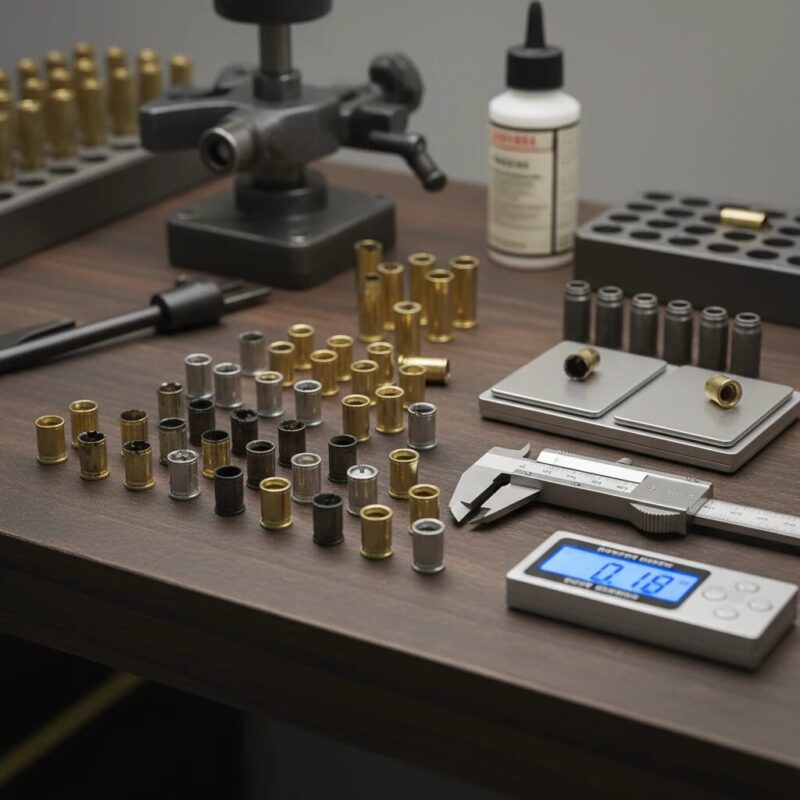
In 2026, primer-related issues have increased due to:
- Supply shortages
- Quality inconsistencies
- Storage problems
- User errors
This guide explains:
- Why primers fail or misfire
- The most common causes
- How to fix ignition problems
- Safety precautions every reloader must follow
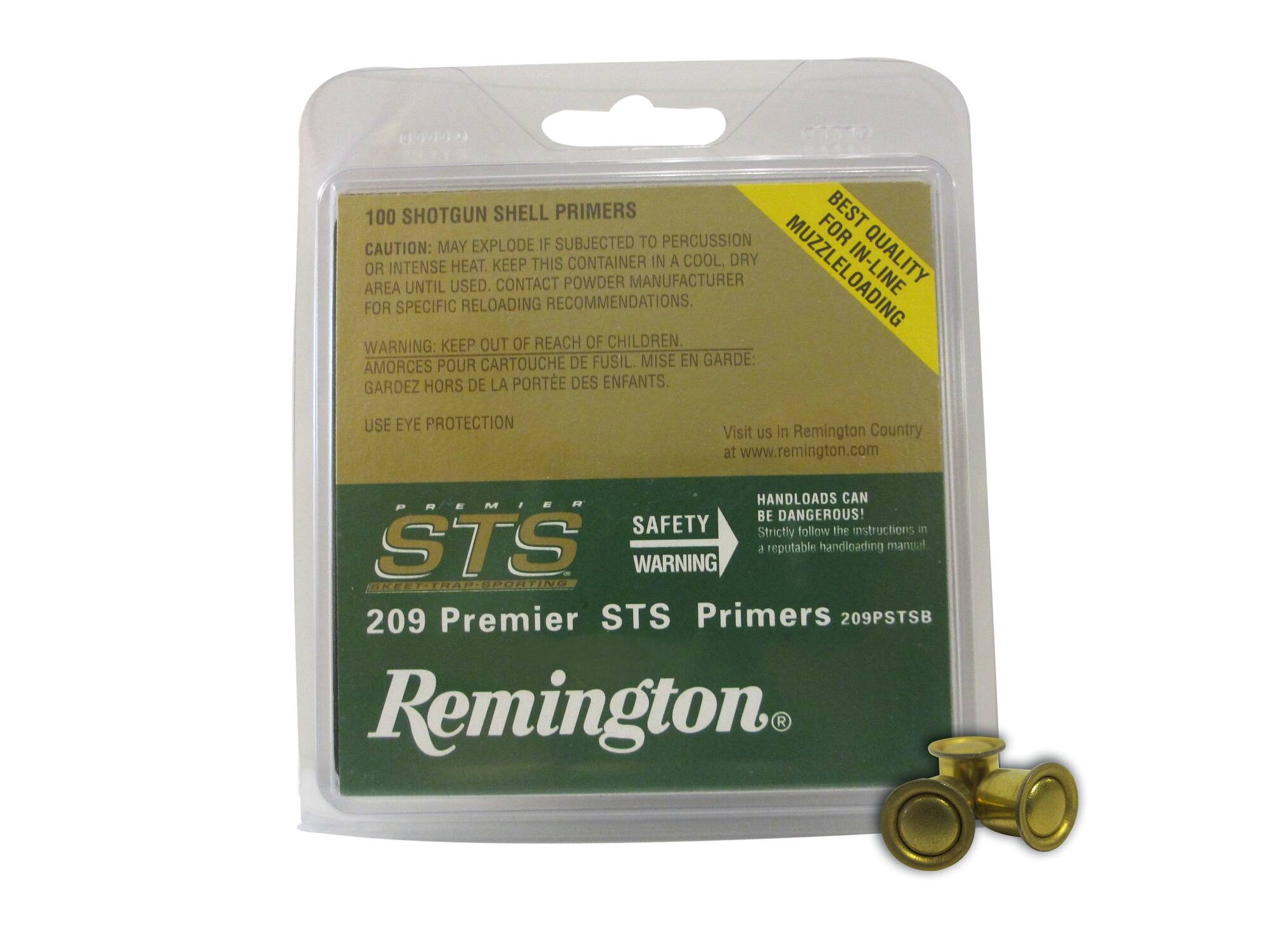
What Is a Primer Misfire?
A primer misfire occurs when:
👉 The firing pin strikes the primer, but it fails to ignite the powder.
Types of Primer Failures
| Type | Description | Risk Level |
|---|---|---|
| Misfire | No ignition | High |
| Hangfire | Delayed ignition | Very High |
| Light Strike | Weak ignition | Medium |
| Inconsistent Ignition | Irregular burn | Medium |
⚠️ Safety Warning
Hangfires are especially dangerous:
- Delayed ignition can cause injury
- Always wait before handling a misfired round
Main Causes of Primer Failure
1. Improper Primer Seating
- Too deep → reduced sensitivity
- Too shallow → poor contact
2. Contamination
Primers are sensitive to:
- Oil
- Moisture
- Dirt
3. Defective Primers
- Manufacturing inconsistencies
- Poor quality control during shortages
4. Weak Firing Pin Strike
- Worn firearm parts
- Insufficient force
5. Wrong Primer Type
- Using incorrect primer size/type
- Incompatible components
📊 Primer Failure Cause Breakdown
Seating Issues     █████████
Contamination      ███████
Defects            ██████
Firing Pin Issues  ████
Wrong Type         ███
Primer Seating Depth Diagram
Correct Seating:
[Case] → [Flush Primer]Too Deep:
[Case] → [Indented Primer]Too Shallow:
[Case] → [Protruding Primer]
How to Fix Primer Misfires
Step-by-Step Solution
- Check seating depth
- Inspect primer condition
- Clean components
- Verify correct primer type
- Test firearm firing pin
🧠 Pro Tip
Always ensure primers are:
✔ Clean
✔ Properly seated
✔ Stored correctly
Primer Contamination Explained
Sources of Contamination:
- Handling with oily hands
- Humid storage environments
- Exposure to chemicals
📊 Contamination Risk Chart
Low Risk   → Clean Handling
Medium     → Occasional moisture
High Risk  → Oil/chemical exposure
Primer vs Powder Ignition Relationship
| Component | Role |
|---|---|
| Primer | Ignites powder |
| Powder | Creates pressure |
| Bullet | Projectile |
👉 If primer fails → entire system fails
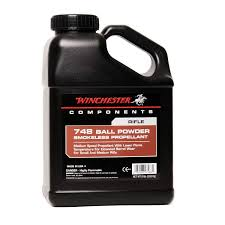
⚠️ Dangerous Mistakes to Avoid
- Reusing damaged primers
- Forcing primers into cases
- Mixing primer types
- Ignoring misfire warnings
Safe Handling Guidelines
- Use clean tools
- Store in dry conditions
- Inspect every primer
- Follow manufacturer guidelines
📊 Ignition Flow Diagram
Firing Pin → Primer Ignition → Powder Burn → Bullet FiredFailure Point → No Ignition
When Primer Problems Are Dangerous
Repeated misfires
Hangfires
Inconsistent ignition

👉 Stop immediately and inspect


📊 Risk Level Table
Issue	Risk
Misfire	High
Hangfire	Very High
Light Strike	Medium
Inconsistent Ignition	Medium
Prevention Checklist

✔ Use correct primer type
✔ Seat primers properly
✔ Store in dry conditions
✔ Avoid contamination
✔ Inspect regularly

📌 FAQ SECTION
Q1: Why do primers misfire?

A: Improper seating, contamination, or defects.

Q2: What is a hangfire?

A: Delayed ignition after trigger pull.

Q3: How can I fix primer misfires?

A: Check seating, cleanliness, and component compatibility.

Q4: Can bad storage cause primer failure?

A: Yes, moisture and heat damage primers.

Q5: Are primer defects common in 2026?

A: Yes, due to production pressure and shortages.

Q6: Is it safe to reuse primers?

A: No, never reuse primers.

Q7: What happens if a primer fails?

A: The round will not fire.

Q8: How do I prevent misfires?

A: Proper handling, storage, and seating.

Q9: Can wrong primers cause failure?

A: Yes, incorrect types may not ignite properly.

Q10: Should I stop using a firearm after repeated misfires?

A: Yes, inspect immediately.

📊 FAILURE FLOW DIAGRAM
Cause → Primer Failure → No Ignition → Reloading Issue