

Blog
Rifle Powder vs Pistol Powder: Why They Are Different and Why It Matters in Reloading

Introduction
One of the most common questions asked by new reloaders is:
“What is the difference between rifle powder and pistol powder?”
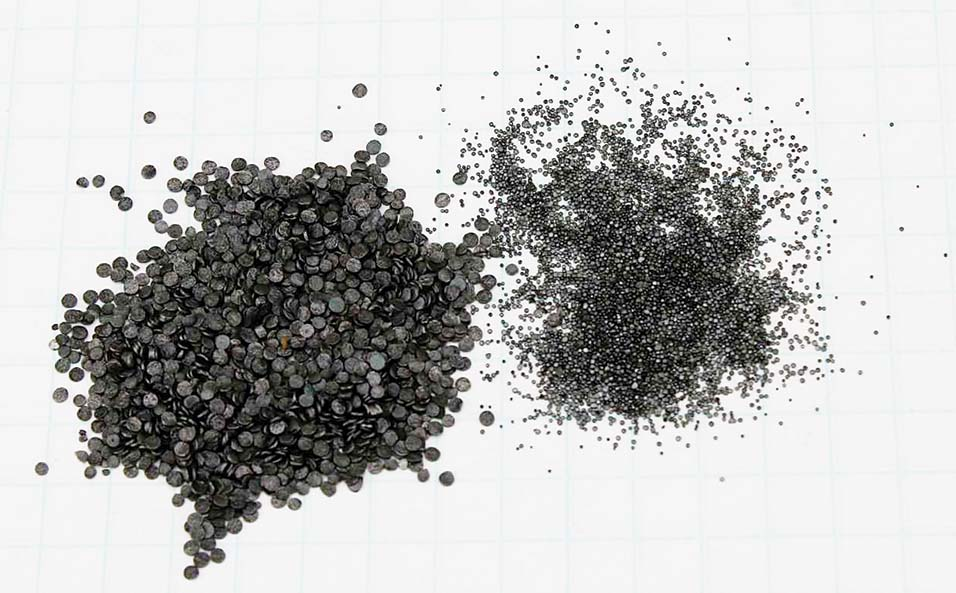
At first glance, smokeless powders may appear similar. They often look like small granules and are sold in similar containers.
However, the differences between powders designed for rifles and those designed for pistols are extremely important.
These differences influence:
- chamber pressure
- bullet velocity
- firearm safety
- combustion efficiency
Using the wrong type of powder can result in dangerous pressure levels or poor ballistic performance.
Understanding these differences is one of the most important fundamentals of safe ammunition reloading.
The Basics of Smokeless Powder
Smokeless powder is a propellant used in modern ammunition to generate gas pressure that pushes a bullet through the barrel.
Unlike black powder, smokeless powder burns progressively.
This means:
- the burn rate increases as pressure increases
- the powder does not explode instantly
- pressure builds gradually inside the cartridge
Different powders are designed to burn at different speeds depending on the cartridge they are intended for.
Burn Rate: The Most Important Difference
The biggest difference between rifle and pistol powders is burn rate.
Burn rate refers to how quickly the powder burns during combustion.
Chart: Burn Rate Spectrum
FAST POWDERS
│
│ Pistol powders
│
│ Intermediate powders
│
│ Rifle powders
│
│ Magnum rifle powders
│
SLOW POWDERS
Pistol powders burn much faster than rifle powders.
This difference exists because pistols and rifles operate under very different conditions.
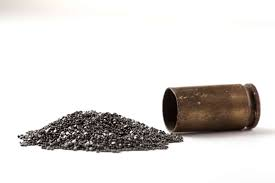
Why Pistols Use Fast Burning Powder
Pistols have relatively short barrels compared to rifles.
Because the barrel is shorter, the powder must burn quickly to produce enough pressure before the bullet exits the barrel.
Fast burning powder produces:
- rapid pressure buildup
- efficient energy release in short barrels
- consistent velocities
If slow powder were used in a pistol, the powder might not fully burn before the bullet leaves the barrel.
This can result in:
- low velocity
- incomplete combustion
- unburnt powder residue
Why Rifles Use Slower Powder
Rifles have longer barrels and operate at higher velocities.
Because the bullet travels farther inside the barrel, the powder must burn more slowly to maintain pressure throughout the bullet’s travel.
Slower burning powders provide:
- sustained gas pressure
- higher velocities
- efficient acceleration over longer barrel lengths
Using fast powder in a rifle cartridge could create extremely high pressure very quickly, which may damage the firearm.
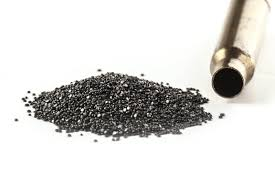
Diagram: Pressure Curve Comparison
PressureHigh |      pistol powder
     |      *
     |     *
     |    *
     |   *
     |  *
     | *
     |
     |            rifle powder
     |           *
     |          *
     |         *
     |        *
     ------------------------------
            Time / Bullet Travel
Pistol powder creates a rapid pressure spike, while rifle powder builds pressure more gradually.
Powder Shapes and Grain Types
Smokeless powders come in several physical shapes that influence how they burn.
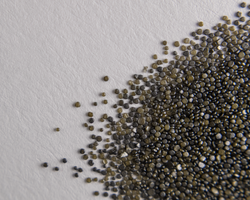
Ball Powder
Ball powder consists of tiny spherical granules.
Advantages:
- meters easily through powder measures
- consistent charge weights
Disadvantages:
- sometimes more difficult to ignite in cold weather
Extruded Powder
Extruded powder consists of small cylindrical sticks.
Advantages:
- stable burn characteristics
- commonly used in rifle cartridges
Disadvantages:
- may meter less smoothly than ball powder
Flake Powder
Flake powders are thin flat discs.
They are commonly used in:
- shotgun loads
- pistol cartridges
Chart: Powder Types and Typical Uses
Powder Shape    Common UseFlake           Pistols / Shotguns
Ball            Pistols / Rifles
Extruded        Rifles
Cartridge Size and Powder Choice
Another important factor in powder selection is cartridge size.
Small pistol cartridges require fast powder because there is limited space for gas expansion.
Larger rifle cartridges require slower powder to maintain pressure over longer bullet travel distances.
Diagram: Cartridge Size Comparison
Pistol Cartridge|------|Rifle Cartridge|-------------------------|
Larger cases allow slower powder to burn efficiently.
Why Using the Wrong Powder Is Dangerous
Using the wrong powder can create extremely unsafe pressure levels.
For example:
If a fast pistol powder is used in a rifle cartridge, the pressure may rise too quickly before the bullet begins moving.
This can cause:
- damaged firearm components
- excessive recoil
- dangerous pressure spikes
Reloaders must always follow reliable load data from trusted reloading manuals.
Pressure Differences Between Rifles and Pistols
Rifles typically operate at higher velocities but use slower powders to maintain controlled pressure.
Chart: Typical Pressure Ranges
Firearm Type      Average PressurePistol            20,000 – 35,000 psi
Rifle             40,000 – 65,000 psi
The slower burn rate in rifle powder helps maintain pressure without creating dangerous spikes.
Why Burn Rate Matters for Accuracy
Burn rate also affects shooting accuracy.
If powder burns inconsistently, the bullet velocity may vary between shots.
Velocity variation can lead to:
- vertical bullet spread
- inconsistent grouping
- reduced long‑range accuracy
Choosing the correct powder ensures consistent combustion and reliable ballistic performance.
Temperature Sensitivity
Temperature can influence powder burn rate.
Some powders burn faster when hot and slower when cold.
This is why some modern powders are engineered to be temperature stable.
Temperature stability is particularly important for:
- long‑range shooting
- hunting in cold climates
- precision competition shooting
Image Suggestion
Filename
smokeless-powder-burn-rate-chart.jpg
Alt text
chart comparing smokeless powder burn rates for pistol and rifle cartridges
Signs of Incorrect Powder Selection
When the wrong powder is used, reloaders may notice several warning signs.
Common indicators include:
- excessive recoil
- flattened primers
- inconsistent velocity
- unburnt powder residue
These signs suggest the powder may not be appropriate for the cartridge.
How Reloaders Choose the Right Powder
Experienced reloaders choose powder based on several factors.
These include:
- cartridge type
- bullet weight
- barrel length
- desired velocity
- pressure limits
Reloading manuals provide tested load data that lists recommended powders for specific cartridges.
Following this data is essential for safe reloading.
FAQ Section
Can pistol powder be used in rifles?
No. Pistol powders burn too quickly and can create dangerous pressure levels in rifle cartridges.
Can rifle powder be used in pistols?
Rifle powder usually burns too slowly for pistol cartridges and may not produce reliable performance.
Why are there so many different powders?
Different cartridges require different burn rates to achieve safe and efficient performance.
What is burn rate?
Burn rate refers to how quickly smokeless powder combusts and produces gas pressure.
Where can reloaders find safe powder data?
Reliable load data is available in reloading manuals published by powder and ammunition manufacturers.
Conclusion
Understanding the difference between rifle powder and pistol powder is essential for safe and effective ammunition reloading.
The key difference lies in burn rate. Pistol powders burn quickly to generate pressure in short barrels, while rifle powders burn more slowly to maintain pressure over longer barrel lengths.
Selecting the correct powder ensures safe pressure levels, consistent velocity, and optimal ballistic performance.
By following reliable load data and understanding the science behind powder burn rates, reloaders can produce safe, accurate, and reliable ammunition.