

Blog
Advanced Guide to Reloading Ammunition: Powder Selection, Charge Weight, and Performance Optimization

Introduction
Reloading ammunition is more than just combining bullets, casings, primers, and powder. It’s a science-driven process that requires understanding the chemistry of powders, the physics of pressure and velocity, and the precision mechanics of firearms.
This advanced guide will walk you through:
- How to choose the right smokeless powder for your cartridges
- Calculating safe and effective charge weights
- Understanding how powder granules affect burn rate
- Using pressure and velocity charts for optimization
- Common reloading mistakes and how to avoid them
- Safety protocols for powder handling
- Expert tips for achieving consistent performance
By the end of this article, you’ll have a comprehensive framework to reload ammunition safely and optimize ballistic performance, whether you’re a precision shooter, hunter, or competitive marksman.
1. Understanding Your Cartridge Needs
Before selecting any powder, it’s essential to analyze the cartridge you’re loading.
Factors to Consider
- Cartridge volume: Larger cases hold more powder, which affects burn rate choice.
- Bullet weight: Heavier bullets generally need slower powders to maintain safe pressures.
- Intended use: Target shooting, hunting, or competition each require different performance profiles.
- Firearm barrel length: Longer barrels benefit from slower-burning powders to maximize velocity.
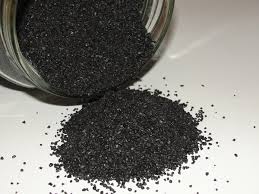
Diagram: Cartridge Anatomy & Powder Placement
2. Powder Granules and Their Effects
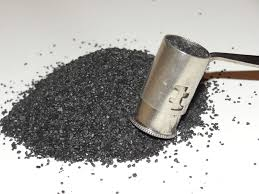
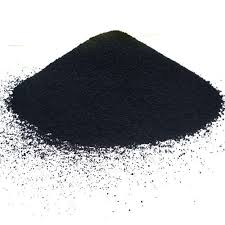
Powder granules aren’t just about size—they directly impact burn consistency, pressure, and velocity.
| Granule Type | Shape | Flow Characteristics | Ideal Use |
|---|---|---|---|
| Ball | Spherical | Smooth, consistent metering | Rifles & high-volume loads |
| Extruded | Cylindrical | Consistent burn, moderate flow | Magnum rifles & precision rounds |
| Flake | Flat | Slower, spreads easily | Shotguns & handguns |
| Pistol-specific | Tiny extrusions | Fast burn | Handguns & small cartridges |
Powder Flow Graph
Flow Rate
|
| Ball powder --------- highest
| Extruded powder ---- medium
| Flake powder -------- low
|
3. Charge Weight Calculations
The charge weight is the amount of powder loaded in a cartridge. Correct charge weight is critical to safe and consistent performance.
Step 1: Start with Manufacturer Load Data
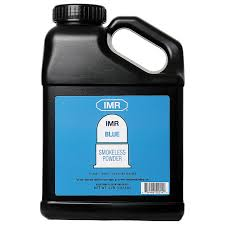
- Use manuals from Hodgdon, Alliant, or IMR.
- Never exceed published max loads.
Step 2: Factor Bullet Weight
- Lighter bullets often allow higher charge weights within safe pressure limits.
- Heavier bullets require slower powders and careful load adjustments.
Step 3: Adjust for Barrel Length
- Longer barrels allow for more complete powder burn.
- Short barrels require slower charges to avoid pressure spikes.
Table: Example Charge Weight Ranges
| Cartridge | Bullet Weight (grains) | Powder Type | Min Charge (grains) | Max Charge (grains) |
|---|---|---|---|---|
| 9mm Luger | 124 | Fast pistol | 4.0 | 5.0 |
| .223 Rem | 55 | Medium rifle | 23.0 | 27.0 |
| .308 Win | 150 | Slow rifle | 42.0 | 46.0 |
| .300 Win Mag | 180 | Very slow | 68.0 | 72.0 |
4. Burn Rate and Barrel Length Optimization
Burn rate refers to how quickly the powder combusts once ignited. Matching burn rate to cartridge design maximizes velocity, accuracy, and safety.
Graph: Burn Rate vs Barrel Length
Velocity (fps)
|
|  Short barrel -------- fast powder
|  Medium barrel ------ medium powder
|  Long barrel -------- slow powder
|
- Fast powders ignite and peak quickly—ideal for handguns and short barrels.
- Medium powders balance pressure and velocity for most rifle cartridges.
- Slow powders sustain pressure over long barrels for magnum and long-range rifles.
5. Pressure Curves and Velocity Optimization
Reloading without understanding pressure curves is unsafe.
Pressure vs Time Chart
Pressure (PSI)
|
|        /\
|       /  \
|      /    \
|     /      \
|____/        \_____
   Ignition   Bullet Exit
- Peak pressure occurs as the bullet begins moving down the barrel.
- Controlled powder selection ensures this peak stays within safe limits.
Advanced Tip
Use chronographs to measure actual bullet velocity. Compare your results to load manuals and adjust your charge if necessary—without exceeding maximum pressure.
6. Common Reloading Mistakes
| Mistake | Consequence | Prevention |
|---|---|---|
| Using incorrect powder type | Pressure spikes | Always consult manuals |
| Exceeding max charge weight | Firearm damage / injury | Stick to max published load |
| Mixing powders | Unpredictable pressure | Never combine powders |
| Not measuring powder | Inconsistent velocity | Use precise scales |
7. Reloading Safety Checklist
- Work in well-lit, ventilated areas.
- Wear gloves and safety glasses.
- Store powder in original, sealed containers.
- Avoid heat, sparks, or open flames near powder.
- Keep a detailed log of all reloads.
- Use calibrated scales and tools consistently.
8. Performance Optimization Tips
- Start low, go slow: Begin with minimum recommended charges.
- Batch test loads: Fire 5–10 rounds and record velocity and accuracy.
- Consistency matters: Use the same powder brand, granule type, and equipment for repeatable results.
- Chronograph readings: Adjust charge weights to maintain target velocities.
9. Advanced Charts and Diagrams
Velocity vs Powder Charge Example Graph
Velocity (fps)
|
|           *
|         *
|       *
|     *
|   *
| *
|________________
   Charge (grains)
- Shows how velocity increases with powder charge.
- Nonlinear growth indicates pressure limitations.
Granule Burn Comparison Diagram
10. FAQ Section
Can I use the same powder for all my cartridges?
No. Powder type must match cartridge volume, bullet weight, and intended velocity.
How do I know when a charge is too heavy?
Consult load manuals. Signs of excessive pressure include flattened primers, difficult bolt lift, or case bulging.
What equipment is required to start safely?
Reloading press, calibrated scale, powder measure, primer tool, case trimmer, and chronograph.
Can different powders produce different accuracy?
Yes. Powder type, granule shape, and burn rate all influence bullet consistency and accuracy.
How long can reloaded ammunition be stored?
Properly stored in cool, dry conditions, reloaded ammo can last 10+ years.