

Blog
Smokeless Powder Burn Rate Chart Explained: What Reloaders Need to Know

One of the most searched topics among ammunition enthusiasts and reloaders is the smokeless powder burn rate chart. Beginners often encounter burn rate charts when researching ammunition components, but many find them confusing at first.
Questions about burn rate charts frequently appear on search engines, forums, and discussion platforms where shooters share knowledge about internal ballistics and cartridge performance.
Understanding burn rates helps explain why certain powders perform differently in specific cartridges and why manufacturers design powders for different applications.
This article explores how burn rate charts work, why they matter in ammunition performance, and answers common questions people ask about powder burn rates.
What Is Smokeless Powder Burn Rate?
Burn rate refers to how quickly a smokeless powder converts into gas during combustion when ignited by a primer.
When a cartridge is fired, the primer ignites the powder charge. As the powder burns, it produces expanding gases that create pressure inside the cartridge case. This pressure pushes the bullet down the barrel.
The speed at which the powder burns directly affects how pressure builds and how efficiently the bullet accelerates.
Burn rate is not simply about speed alone—it also influences pressure curves, velocity potential, and overall cartridge efficiency.
Why Burn Rate Matters in Ammunition
Burn rate plays a critical role in how ammunition performs.
Different cartridges require different pressure characteristics to operate efficiently. Powder burn rate determines how pressure builds inside the chamber.
For example:
- A powder that burns too quickly may create excessive pressure.
- A powder that burns too slowly may not produce enough pressure early in the bullet’s travel.
The correct burn rate helps create a balanced pressure curve that propels the bullet efficiently through the barrel.
This is why powder manufacturers develop many different formulations to suit different cartridges.
What Is a Burn Rate Chart?
A burn rate chart is a reference list that compares smokeless powders based on how quickly they burn relative to one another.
These charts are typically organized from fastest burning powders to slowest burning powders.
Reloaders and ammunition enthusiasts use burn rate charts to understand the relative speed of different powders when researching cartridge performance.
However, it is important to understand that burn rate charts are comparative guides rather than exact measurements.
Why Burn Rate Charts Are Only Approximate
A common misunderstanding about burn rate charts is the belief that they represent precise measurements.
In reality, burn rate charts provide relative comparisons between powders rather than exact burn speed values.
This is because burn rate can vary depending on several factors, including:
- Pressure conditions
- Cartridge design
- Bullet weight
- Case volume
- Temperature
Because of these variables, burn rate charts should be viewed as general guides rather than exact rankings.
Fast, Medium, and Slow Burn Rate Powders
Smokeless powders are often categorized into three general burn rate groups.
Fast Burning Powders
Fast powders ignite quickly and produce pressure rapidly.
These powders are commonly associated with:
- Handgun cartridges
- Light target loads
- Some shotgun shells
Fast powders are effective in cartridges with smaller case capacities.
Medium Burn Rate Powders
Medium burn rate powders offer a balance between quick ignition and sustained pressure.
They are commonly used in:
- Some rifle cartridges
- Shotgun loads
- Intermediate cartridge designs
These powders create a balanced pressure curve suitable for many firearm platforms.
Slow Burning Powders
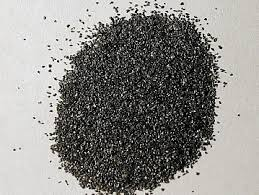
Slow powders burn gradually and maintain pressure for a longer period.
They are typically used in:
- Large rifle cartridges
- High-velocity loads
- Long-barrel firearms
Slow powders allow pressure to build more gradually as the bullet travels down the barrel.
How Burn Rate Affects Pressure Curves
The pressure curve describes how pressure changes inside the cartridge during firing.
When the primer ignites the powder charge, pressure rises rapidly. As the bullet begins moving down the barrel, pressure eventually decreases as gas expands.
Different burn rates produce different pressure curves.
Fast Powder Pressure Curve
Fast powders produce a sharp and quick pressure spike early in the firing process.
Slow Powder Pressure Curve
Slow powders generate pressure more gradually, allowing pressure to remain active longer as the bullet travels through the barrel.
Understanding pressure curves helps explain why certain powders perform better in specific cartridges.
Powder Grain Shape and Burn Characteristics
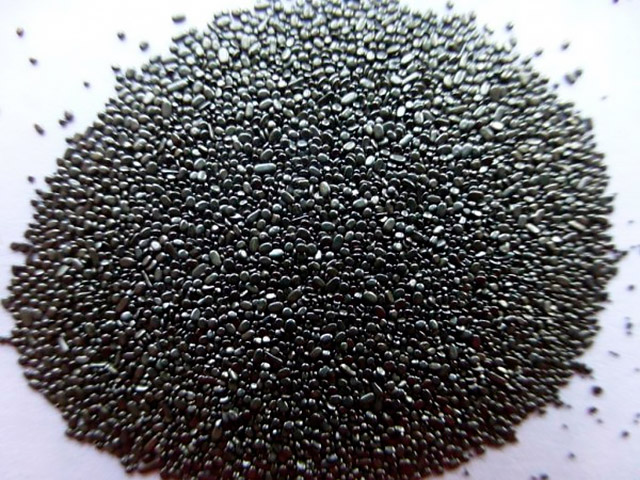
Powder burn rate is also influenced by the physical shape of powder grains.
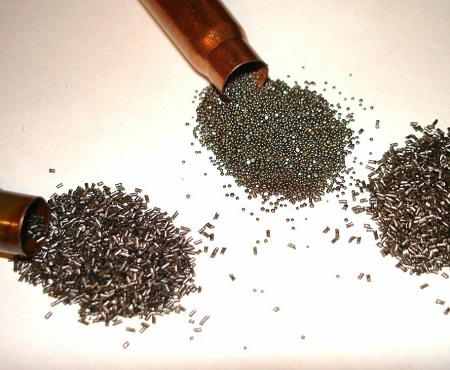
Manufacturers produce smokeless powder in several grain shapes, each designed to influence how the powder burns.
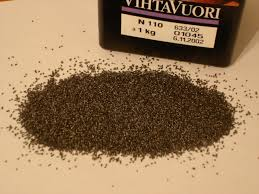
Ball Powder
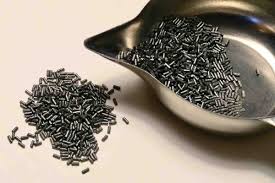
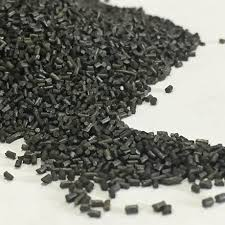
Ball powder consists of small spherical granules. These powders often meter easily through powder measuring equipment and ignite consistently.
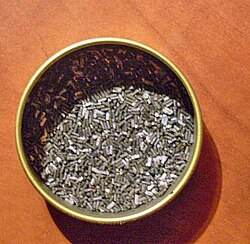
Extruded Powder
Extruded powder appears as small cylindrical rods.
These powders are often associated with rifle cartridges and are known for producing stable burn characteristics.
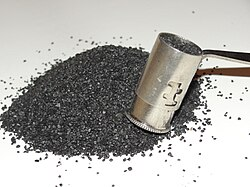
Flake Powder
Flake powders are thin, flat shapes commonly used in shotgun and handgun loads.
Their shape allows them to ignite quickly, making them suitable for fast-burning applications.
Why Rifle Cartridges Often Use Slower Powders
Many rifle cartridges use slower powders because of their larger case capacity and longer barrels.
When a bullet travels through a long barrel, a slower powder can maintain pressure longer. This sustained pressure helps continue accelerating the bullet.
If a fast powder were used in the same cartridge, the pressure peak would occur too early and drop before the bullet fully utilizes the barrel length.
This explains why many high-velocity rifle cartridges rely on slower powder formulations.
Common Misconceptions About Burn Rate Charts
Because burn rate charts are widely shared online, several misunderstandings often appear in discussions.
Misconception 1: Burn Rate Charts Show Exact Speed
Burn rate charts only show relative comparisons. They do not measure exact combustion speed.
Misconception 2: Faster Powders Are Always Stronger
Burn rate does not determine energy content. A slower powder may produce higher velocity in some cartridges because it maintains pressure longer.
Misconception 3: Powders Can Be Interchanged Based on Burn Rate
Powders that appear close on burn rate charts may still behave very differently under pressure.
Powder formulation, chemistry, and grain design all influence combustion behavior.
The Role of Burn Rate in Internal Ballistics
Internal ballistics refers to the study of events occurring inside a firearm between ignition and bullet exit.
During this process:
- The primer ignites.
- Powder combustion begins.
- Pressure builds inside the cartridge case.
- Gas expansion accelerates the bullet.
- The bullet exits the barrel.
Burn rate directly influences each stage of this process by controlling how quickly pressure builds and how long it remains active.
Temperature and Burn Rate Behavior
Another topic often discussed online is temperature sensitivity of smokeless powders.
Temperature can influence how powder burns.
In colder environments:
- Powder ignition may occur more slowly
- Pressure development may change slightly
In warmer environments:
- Powder may burn more efficiently
- Pressure may increase
Modern powders often include stabilizers designed to maintain consistent performance across temperature variations.
Burn Rate Charts and Powder Development
Powder manufacturers carefully engineer powders to meet the needs of different cartridge designs.
When developing a new powder, engineers consider factors such as:
- Grain geometry
- Chemical composition
- Stabilizers
- Coatings that regulate burn speed
These design choices allow manufacturers to produce powders suitable for a wide variety of ammunition applications.
Why Burn Rate Charts Are Popular Online
Burn rate charts are widely shared across:
- Reloading forums
- Firearm communities
- Shooting blogs
- Educational articles
They provide a quick visual reference showing how different powders compare relative to each other.
However, experienced shooters emphasize that burn rate charts are only one piece of information in understanding powder behavior.
Frequently Asked Questions (FAQ)
What does burn rate mean in smokeless powder?
Burn rate describes how quickly a powder converts into expanding gas when ignited by a primer.
Why do different cartridges need different burn rates?
Cartridge size, bullet weight, and barrel length all influence how pressure should develop during firing.
Are burn rate charts the same for every manufacturer?
Different charts may vary slightly because manufacturers test powders under different conditions.
Does a slower powder always produce higher velocity?
Not necessarily. Velocity depends on many factors including pressure limits, bullet weight, and barrel length.
Why do handgun cartridges often use fast powders?
Handgun cartridges typically have smaller case capacity and shorter barrels, which favor faster pressure development.
Can burn rate change with temperature?
Temperature can influence powder performance, which is why many modern powders are designed to be temperature stable.
What affects how powder burns inside a cartridge?
Several factors influence powder burn behavior including grain shape, chemical composition, pressure, and ignition strength.
Conclusion
Smokeless powder burn rate charts provide valuable insight into how different powders behave relative to one another. While they are often used as reference tools, they should be understood as comparative guides rather than precise measurements.
Burn rate influences how pressure develops during firing, which in turn affects velocity, efficiency, and overall cartridge performance. By understanding burn rates and pressure curves, shooters and enthusiasts gain a deeper understanding of the internal ballistics behind modern ammunition.
As discussions about powder burn rates continue across online communities, educational resources help clarify many of the common questions and misconceptions surrounding this important aspect of ammunition design.