

Blog
Powder Burn Rates and Primer Types Explained: Understanding Ammunition Ignition and Internal Ballistics

Introduction
One of the most frequently discussed topics among shooters and reloaders is how powder burn rates and primer types influence ammunition performance. Many discussions across communities such as Quora and firearm forums revolve around understanding why certain powders behave differently in various cartridges and how primer selection can influence ignition and pressure characteristics.
Although these components may appear small and simple, they play a crucial role in the internal ballistic process of a firearm. The interaction between primer ignition and powder burn rate determines how pressure builds inside the cartridge case and how efficiently a bullet travels through the barrel.
This article explores how powder burn rates work, the different primer types used in ammunition, and the science behind the ignition process. It also addresses many commonly asked questions from shooting communities to provide clear and educational explanations.
What Is Powder Burn Rate?
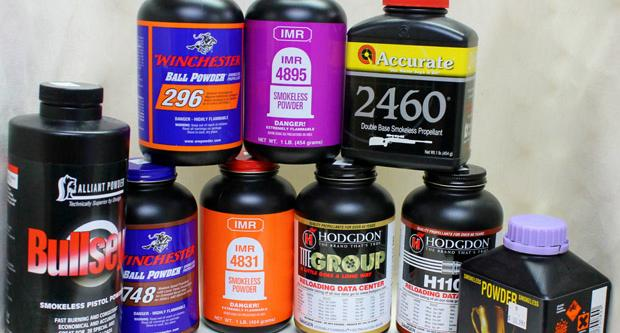
Burn rate refers to how quickly a smokeless powder converts from a solid propellant into expanding gas once it is ignited by a primer. This process happens extremely quickly inside a firearm cartridge but follows predictable physical and chemical principles.
The Concept of Progressive Burning
Smokeless powder burns progressively rather than detonating instantly. This means that the powder burns layer by layer, releasing gas as the bullet begins to move down the barrel.
This progressive burn creates a controlled pressure curve that pushes the bullet forward while preventing sudden pressure spikes.
Why Burn Rate Matters
Powder burn rate affects several factors in ammunition performance:
- Pressure generation inside the cartridge
- Bullet acceleration
- Recoil characteristics
- Muzzle velocity
- Barrel efficiency
Selecting an appropriate burn rate ensures that the powder generates pressure at the correct time during the bullet’s travel through the barrel.
Fast, Medium, and Slow Burn Rate Powders
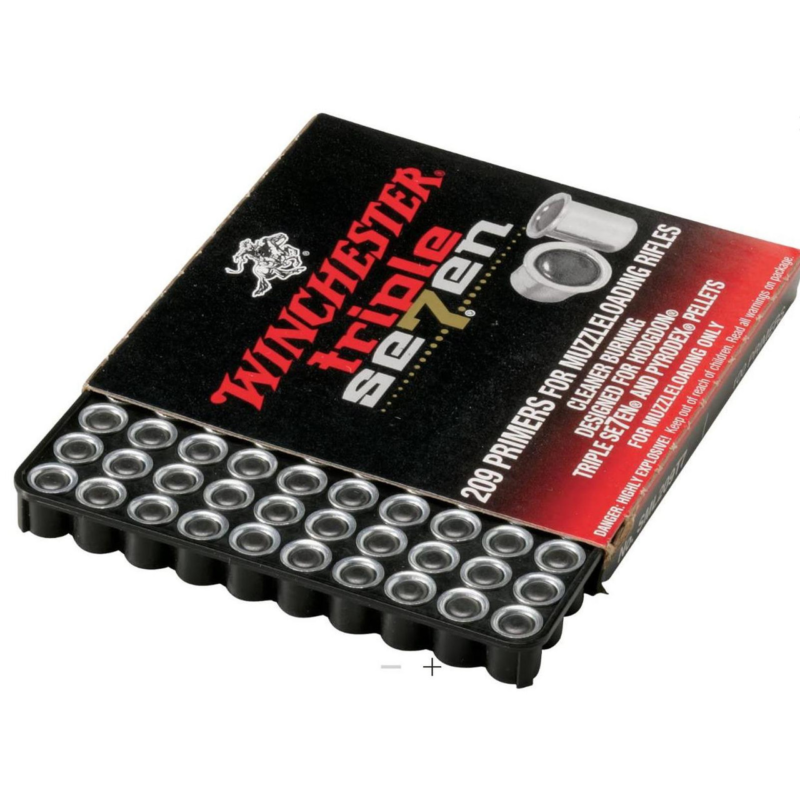
Smokeless powders are typically grouped into three main burn rate categories.
Fast Burn Rate Powders
Fast powders ignite quickly and reach peak pressure rapidly. These powders are generally used in cartridges with smaller powder capacities and shorter barrels.
Examples of applications include:
- Handgun cartridges
- Some shotgun loads
- Light target loads
Because these powders burn quickly, they release most of their energy early in the firing process.
Medium Burn Rate Powders
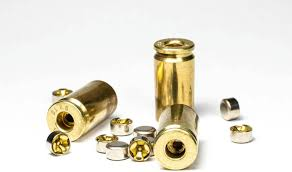
Medium burn rate powders offer a balance between fast ignition and sustained pressure.
These powders are commonly used in:
- Intermediate rifle cartridges
- Certain handgun cartridges
- Some light rifle loads
They provide a balanced pressure curve that works well in a variety of firearm platforms.
Slow Burn Rate Powders
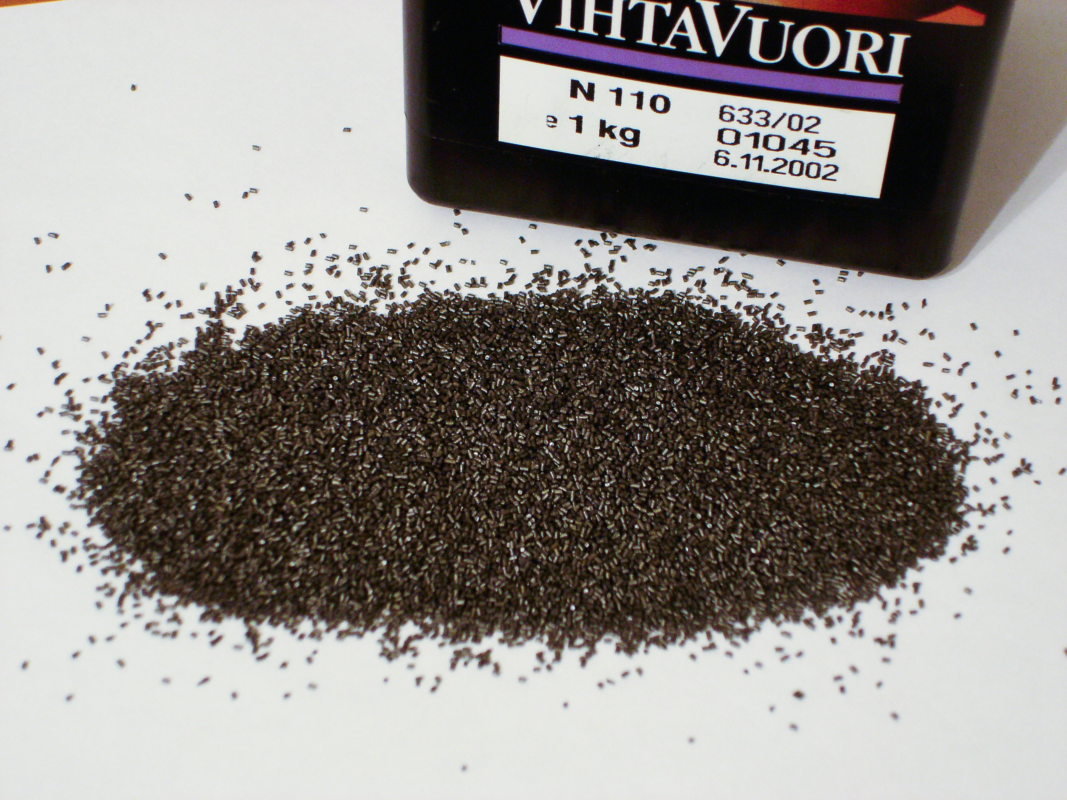
Slow powders burn more gradually, releasing energy over a longer time period. These powders are typically used in large rifle cartridges where a longer pressure curve is beneficial.
Slow powders are often associated with:
- Long rifle barrels
- Larger cartridge cases
- Higher velocity rifle loads
Their gradual burn helps maintain pressure as the bullet travels down the barrel.
Understanding Primer Function in Ammunition
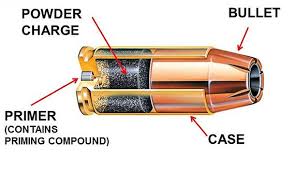
Primers are responsible for initiating the combustion process inside a cartridge. Although small, they contain a sensitive explosive compound that detonates when struck by a firing pin.
What Happens When a Primer Ignites?
The ignition sequence generally follows these steps:
- The firing pin strikes the primer.
- The primer compound detonates.
- A flame is produced.
- The flame travels through the flash hole.
- The smokeless powder ignites.
This sequence happens in a fraction of a second, yet it determines how efficiently the powder charge begins burning.
Primer Types and Their Applications
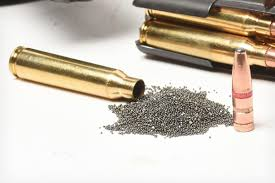
Primers come in several variations depending on the cartridge type and pressure levels involved.
Small Primers
Small primers are used in cartridges that require smaller ignition sources.
Common examples include:
- Small pistol primers
- Small rifle primers
These primers are commonly used in cartridges with smaller powder charges.
Large Primers
Large primers are designed for cartridges with larger powder charges or greater case capacities.
Examples include:
- Large pistol primers
- Large rifle primers
The increased primer compound helps ensure consistent ignition for larger powder loads.
Magnum Primers
Magnum primers produce a stronger and hotter flame than standard primers.
They are often used in situations where:
- Slow powders require stronger ignition
- Large powder charges must ignite evenly
- Low temperatures may affect ignition reliability
Magnum primers help ensure consistent powder ignition under more demanding conditions.
The Relationship Between Primer Flame and Powder Ignition
The flame produced by a primer must be strong enough to ignite the smokeless powder charge inside the cartridge case. Different powders have different ignition requirements depending on their chemical composition and grain structure.
Powders with larger granules or slower burn characteristics often require a stronger primer flame to initiate consistent combustion.
The interaction between primer flame intensity and powder sensitivity is a critical aspect of internal ballistics.
How Powder Shape Influences Burn Characteristics
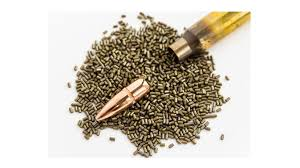
Smokeless powders are manufactured in different shapes that influence how they burn.
Ball Powder
Ball powders consist of small spherical granules. These powders tend to meter easily through powder measures and ignite consistently.
Extruded Powder
Extruded powders appear as small cylindrical rods. These powders are often used in rifle cartridges because they produce stable burn characteristics.
Flake Powder
Flake powders are thin, flat flakes commonly used in shotgun and handgun loads. Their shape allows them to ignite quickly.
Each powder shape affects how quickly the powder burns and how pressure develops inside the cartridge.
Internal Ballistics: What Happens Inside the Barrel?
Internal ballistics refers to the study of the processes occurring inside a firearm from the moment the primer ignites until the bullet exits the barrel.
During this short time:
- Powder burns rapidly
- Pressure increases dramatically
- Gas expands
- The bullet accelerates down the barrel
Understanding internal ballistics helps explain why powder burn rates and primer strength influence ammunition performance.
Questions Often Asked in Reloading Communities
Why do different powders produce different velocities?
Different powders burn at different speeds, which changes how pressure builds inside the cartridge case. Faster powders reach peak pressure quickly, while slower powders maintain pressure for a longer period.
Why do some cartridges require slower powders?
Large cartridges often have greater powder capacity and longer barrels. Slower powders maintain pressure over a longer time, allowing the bullet to accelerate more efficiently.
Why are rifle primers stronger than pistol primers?
Rifle cartridges operate at higher chamber pressures than most handgun cartridges. Rifle primers are designed with thicker cups to withstand these pressures.
Can primer type affect accuracy?
Yes. Variations in primer ignition can influence how consistently the powder burns, which may affect velocity consistency and overall accuracy.
Why do cold temperatures sometimes affect ammunition performance?
Temperature can affect powder burn characteristics and primer ignition sensitivity. Some powders are formulated to remain stable across temperature variations.
Common Misunderstandings About Powder Burn Rate
Many discussions online reveal several misunderstandings about powder burn rates.
Misconception 1: Slower powder always produces higher velocity.
Velocity depends on multiple factors including bullet weight, barrel length, and pressure limits.
Misconception 2: Faster powder means more powerful ammunition.
Fast powder simply burns quicker, but it does not necessarily produce higher velocity or energy.
Misconception 3: Powder burn rate charts are exact.
Burn rate charts provide general comparisons, not precise measurements.
Environmental Factors That Affect Powder and Primer Performance
Several external factors can influence ammunition ignition and pressure behavior.
Temperature
Cold temperatures may reduce ignition efficiency, while high temperatures may increase pressure.
Humidity
Excess moisture can degrade powder and primers if they are not stored properly.
Storage Conditions
Proper storage helps maintain component stability and performance over time.
Educational FAQ Section
What determines the burn rate of smokeless powder?
The chemical composition, grain shape, and surface coatings of the powder influence how quickly it burns.
Why do primers contain explosive compounds?
Primers must produce an instant ignition flame when struck by the firing pin to ignite the powder charge.
Do different firearms require different powder burn rates?
Yes. Cartridge size, bullet weight, and barrel length all influence which burn rate performs best.
Why is consistent ignition important?
Consistent ignition helps maintain uniform pressure and velocity between shots, improving reliability and accuracy.
How does barrel length influence powder selection?
Longer barrels allow slower powders to burn more completely, which can improve efficiency.
What happens if powder burns too quickly?
Excessively fast burn rates can create sharp pressure spikes, which may affect safety and performance.
Why do some powders have coatings?
Powder coatings control how quickly the powder burns and help stabilize the chemical composition.
Can primer strength influence ignition speed?
Yes. Stronger primers produce a larger flame that can ignite powder more quickly.
Conclusion
Understanding how powder burn rates and primer types influence ignition and pressure helps explain many of the principles behind ammunition performance. These components work together to create the controlled pressure that propels a bullet safely and efficiently down the barrel.
Educational discussions about burn rates, primer ignition, and internal ballistics help shooters better understand how modern ammunition functions. By examining how these components interact, shooters can gain a deeper appreciation of the engineering and chemistry involved in firearm ammunition.