

Blog
Understanding Smokeless Powders and Reloading Primers

1. What Is Smokeless Powder?
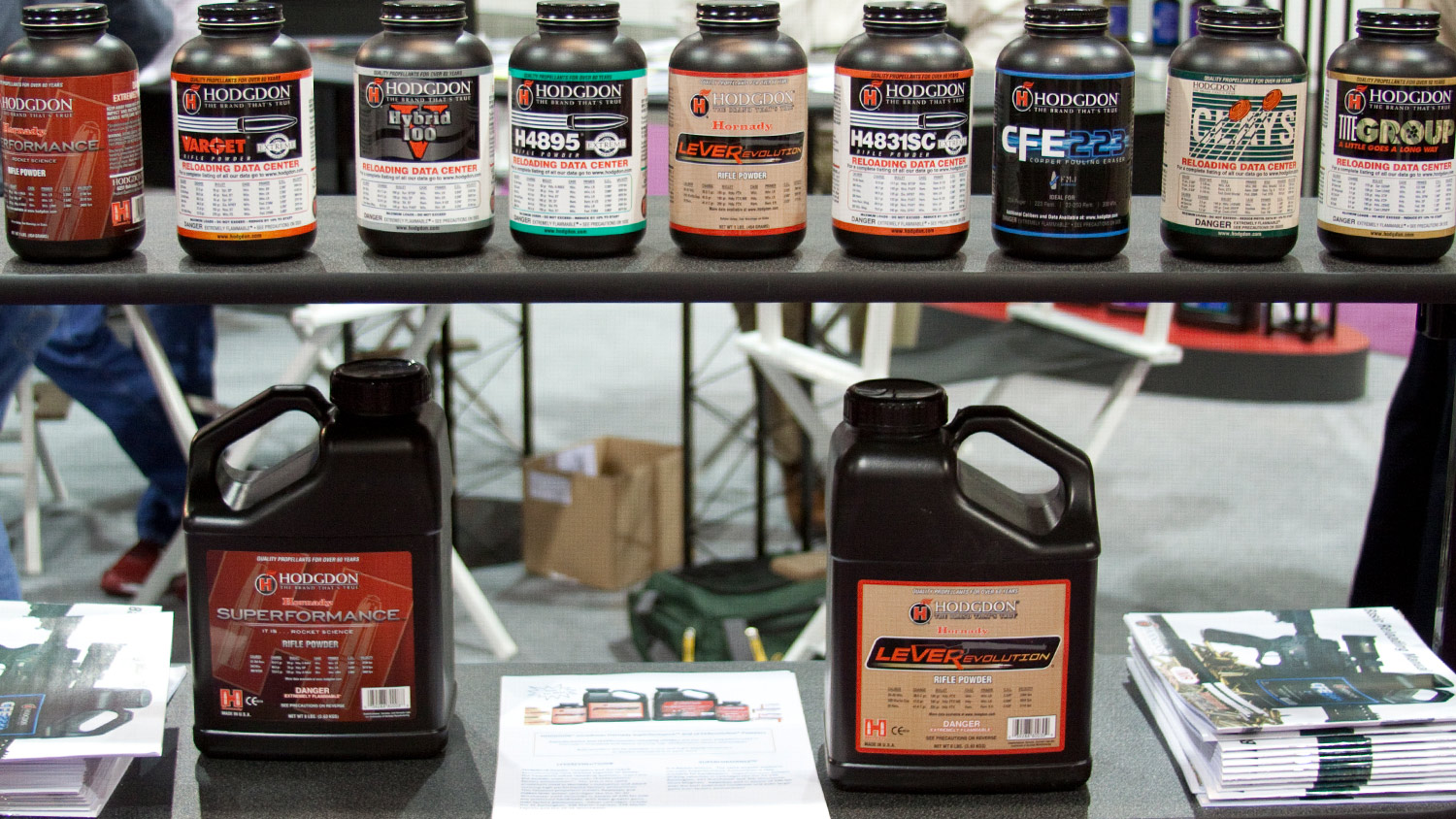
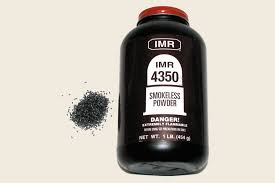
Smokeless powder is the modern propellant used in ammunition to propel a projectile from a firearm. Contrary to the older black powder used in antique firearms, smokeless powder produces very little smoke and a much more controlled pressure curve. This makes modern ammunition more accurate, efficient, and reliable.
How Smokeless Powder Works
When a cartridge is fired:
- The firing pin strikes the primer.
- The primer ignites a flame.
- The flame starts the powder burning.
- The powder burns and produces gas.
- Gas generates pressure.
- Pressure pushes the bullet out of the barrel.
Smokeless powder does not burn all at once like black powder. Instead, it burns progressively — releasing energy in a controlled manner as the bullet travels down the barrel.
2. What Is a Primer and Why Is It Important?
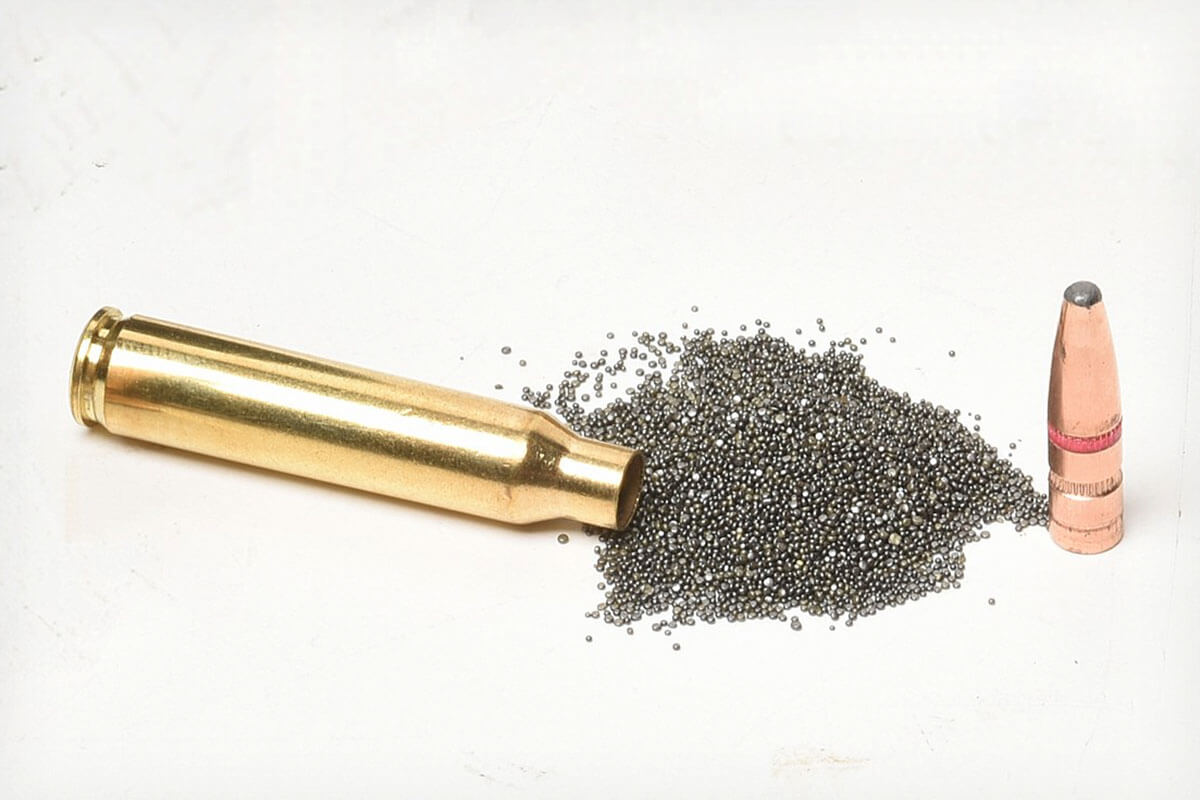
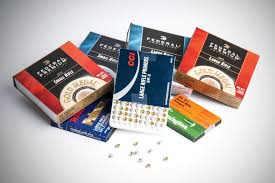
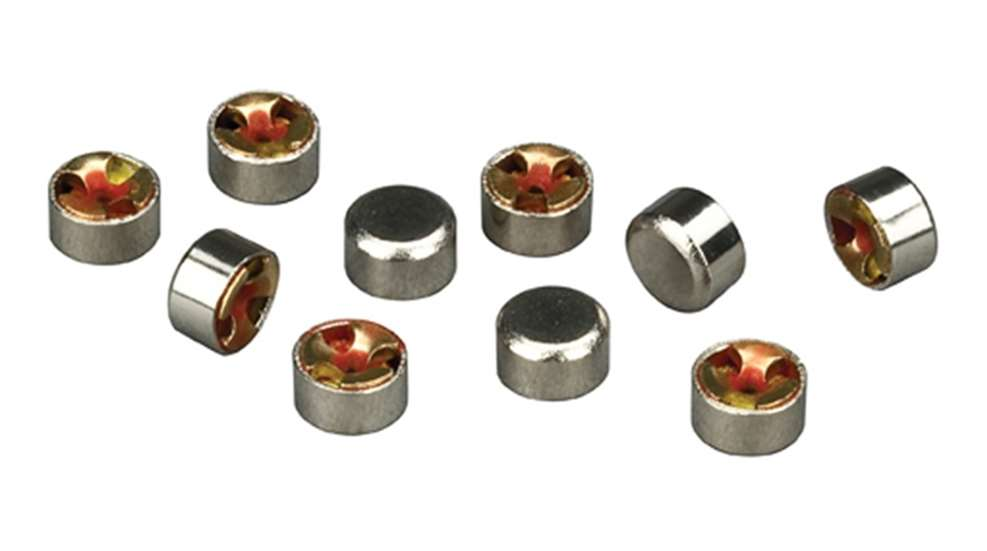
A primer is a small component in the base of a cartridge. It contains a sensitive explosive compound that ignites when struck by the firing pin. The primer’s flame then ignites the main powder charge.
Inside a Primer
Primers are made of:
- A metal cup
- A priming compound (detonates when struck)
- A sealant to protect from moisture
The primer’s job is not to propel the bullet — it only provides the initial ignition source. Without a primer, smokeless powder will not ignite reliably.
3. How Do Smokeless Powder and Primers Interact?
This relationship is at the heart of ammunition ignition.
- The primer produces the first flame.
- The powder reacts to that flame based on its chemical composition and burn rate.
- A mismatched primer and powder combination can lead to inconsistent pressures and unreliable performance.
Therefore, understanding both components separately — and how they work together — is key for any reloader or firearm enthusiast.
4. What Are the Main Types of Smokeless Powder?
Smokeless powders are generally classified by burn rate — how quickly the powder turns into gas after ignition.
Fast Burn Rate Powders
These powders burn quickly and are typically used in:
- Handgun cartridges (e.g., 9mm, .38 Special)
- Some shotgun loads
Fast powders are typically recommended where the powder charge is relatively small and the barrel is short.
Medium Burn Rate Powders
Used in:
- Intermediate calibers
- Some lighter rifle loads
They offer a balance of pressure and recoil.
Slow Burn Rate Powders
Used for:
- Full‑power rifle cartridges (e.g., .30‑06, .308)
- Magnum rifle loads
These powders burn more slowly, creating consistent pressure over a longer time — ideal for long barrels and high‑velocity rounds.
5. How Are Primers Classified?
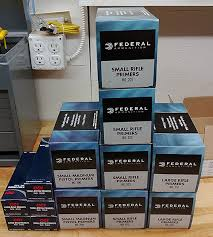
Primers are grouped mainly by size and intended cartridge application.
By Diameter
- Small Primers — used for cartridges with smaller cases and powder charges (e.g., .223, 9mm)
- Large Primers — used for larger cartridges (e.g., .308, .45 ACP)
By Type
- Standard Primers — normal ignition force
- Magnum Primers — stronger ignition flame (used for heavy powders or large cartridges)
Primer Applications
| Primer Type | Typical Use |
|---|---|
| Small Pistol | Handgun cartridges |
| Large Pistol | Larger handgun cartridges |
| Small Rifle | Rifle cartridges with moderate pressure |
| Large Rifle | Full‑power rifle cartridges |
| Magnum Variants | High‑pressure and slow‑burning loads |
6. What Is Burn Rate and Why It Matters
Burn rate refers to how fast a powder converts from solid to gas. It is a critical concept discussed repeatedly on forums like Quora and shooting communities.
Common Misconceptions
- Faster is not always better.
Fast does not equal more power — it just means the powder burns more quickly. - Matching burn rate to cartridge matters.
A rifle powder used in a pistol can create unsafe pressure, and a pistol powder in a rifle may not produce optimal velocity.
Scientists’ Explanation of Burn Rates
Powder manufacturers use controlled tests to determine how quickly a powder burns relative to others. Burn rates are not linear and can vary based on chamber pressure and barrel length.
7. Primer Sensitivity and Powder Ignition
Primer sensitivity refers to how much force is required to ignite the primer reliably.
What Affects Primer Sensitivity
- Primer compound formulation
- Primer cup thickness
- Firing pin strength
Some powders require a hotter primer flame to ignite consistently — especially slow‑burning powders used in magnum rifle cartridges.
8. Common Questions Reloaders Ask (Quora & Forums)
Q: Why do some primers fire but the powder doesn’t ignite?
A: This can occur when the primer flame is not hot enough relative to powder sensitivity. Different powders require different ignition conditions — a mild primer may not reliably ignite a slow powder charge.
Q: Can I use magnum primers for all loads?
A: Magnum primers produce a hotter flame and are best used with heavy powders or large powder charges. Using magnum primers unnecessarily in small charges can cause inconsistent pressures.
Q: What’s the difference between rifle and pistol primers?
A: Rifle primers generally have thicker cups to withstand higher pressures in rifle cartridges. Pistol primers are softer and lighter.
Q: Why does powder choice affect accuracy?
A: Different powders burn differently, creating variations in pressure curves and bullet velocity. A stable pressure curve helps produce consistent bullet velocities, which directly affects accuracy.
Q: What causes inconsistent ignition?
A: Possible reasons include:
- Incorrect primer for the powder type
- Inconsistent primer seating depth
- Powder contamination
- Improper load data
Reloading communities often stress powder and primer consistency for accuracy.
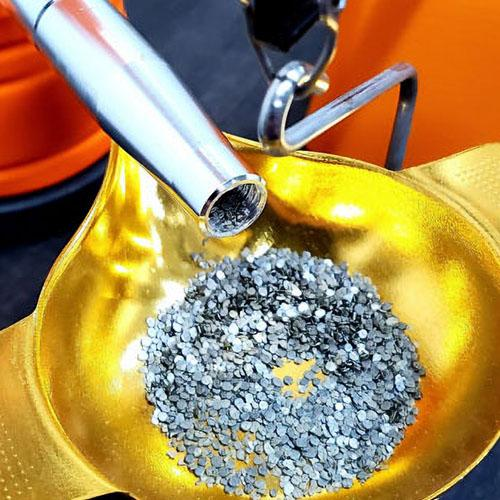
9. How Did Smokeless Powder Replace Black Powder?
Smokeless powder began replacing black powder in the late 1800s because:
- It produced less smoke
- It delivered more energy per unit weight
- It reduced corrosion and residue inside barrels
Smokeless powder allows modern firearms to shoot faster, cleaner, and more accurately.
10. Safety Tips When Handling Smokeless Powder and Primers
Safety is critical and often discussed by shooters online.
Smokeless Powder Safety
- Store in a cool, dry place
- Keep in original container
- Do not mix different powders
Primer Safety
- Store primers away from direct heat
- Avoid dropping primers — sensitive compounds can detonate if subjected to mechanical shock
- Do not force primers into cases
Never exceed published load data.
11. How Do Load Data and Manuals Work?
Every smokeless powder has published load data in manuals provided by:
- Powder manufacturers (e.g., Alliant, Accurate, Hodgdon)
- Ammunition component companies
- Online reloading references
Load data lists:
- Cartridge type
- Powder type
- Charge weights
- Recommended primer type
- Expected velocities
- Maximum safe pressures
Following this data is critical — never guess or improvise.
12. Does Primer Choice Affect Pressure?
Yes — primers do affect how pressure develops in a case.
- A hotter primer can initiate pressure faster
- A milder primer produces a slower ignition
Pressure curves change subtly, and this can affect velocity, accuracy, and even safety.
13. How to Read Powder Burn‑Rate Charts
Most burn‑rate charts place powders on a spectrum from fast to slow.
Fast powder ≈ handguns
Slow powder ≈ full‑power rifles
Powder charts are general guides — not exact rules.
FAQ SECTION (Information Only, SEO‑Focused)
What is the main difference between black powder and smokeless powder?
Smokeless powder burns progressively with little smoke and residue, while black powder produces thick smoke and heavy residue.
Why does different powder affect bullet speed?
Powder burn rate determines how quickly pressure builds — faster burn more pressure early, slower burn maintains pressure longer.
Do primers and powder interact chemically?
Primers ignite powder, but they are not part of the burn; the chemistry of powder controls burn characteristics.
Can I substitute one powder for another in reloading?
No — always follow published load data; substituting powders without data can result in unsafe pressures.
Do heavier bullets need different powders?
Often yes — heavier bullets perform better with slower powders to match pressure curves.
Why is consistent ignition important?
Consistent ignition helps ensure bullet velocity stays constant shot‑to‑shot, which improves accuracy.
How are primers sized?
Primers are measured by diameter: small vs large; rifle vs pistol.
What are magnum primers used for?
Magnum primers are used for heavy powder charges or slow‑burning rifle powders that benefit from hotter flame.
How should I store smokeless powder?
In original containers, in a cool dry place, away from heat or moisture.
How do I know which primer to use?
Use the primer specified in the published load data for that specific powder and cartridge.
Conclusion — What You Need to Know
Smokeless powder and primers are foundational to ammunition performance. Their interaction determines how a cartridge ignites, how pressure builds, and how consistent the bullet performs. Understanding the differences, how burn rates work, how primer types are categorized, and following load data will help reloaders make informed, safe decisions.
This article pulled trending questions and real community concerns and turned them into authoritative explanations — exactly the type of educational content search engines reward.